Food Stamps, officially known as the Supplemental Nutrition Assistance Program (SNAP), help people with low incomes buy groceries. It’s a really important program that helps families put food on the table when they’re struggling. But have you ever wondered who actually pays for it? It’s a common question, and the answer involves a few different players. Let’s break down who funds this vital program and how it all works.
The Federal Government’s Role
So, who’s the biggest contributor? Well, it’s the federal government. The United States federal government funds the vast majority of SNAP benefits. They set the rules, allocate the money, and oversee the program across all the states.
The federal government’s funding for SNAP comes from general tax revenues. This means the money comes from all sorts of taxes, like income tax, payroll tax, and corporate taxes. This funding is then distributed to the states.
The U.S. Department of Agriculture (USDA) handles the administration of SNAP at the federal level. They work with states to make sure the program runs smoothly, that benefits get to those who need them, and that the rules are followed. The USDA also monitors the program to make sure it’s effective and efficient.
Did you know that the federal government pays for almost all of the food benefits? This is because SNAP is considered an entitlement program, meaning anyone who meets the eligibility requirements can receive benefits. This makes funding predictable, as it grows or shrinks based on the number of eligible people and the prices of food.
State’s Contribution and Administration
State Agencies in Action
While the federal government provides most of the funding, states play a crucial role in administering SNAP. State governments manage the day-to-day operations, like processing applications, issuing benefits (usually through EBT cards – Electronic Benefit Transfer), and helping people access the program. States also work to prevent fraud and make sure the program is working well for their residents.
States use their own state agencies to run SNAP. These agencies are responsible for things like:
- Accepting and processing SNAP applications from residents.
- Determining eligibility based on federal and state guidelines (income, resources, and household size).
- Distributing SNAP benefits through EBT cards.
- Providing customer service and support to SNAP recipients.
- Investigating potential fraud and abuse of the program.
States also manage some of the costs related to running the program. They cover the administrative expenses, like paying for staff, office space, and technology. States can also provide additional support services, like employment and training programs to help SNAP recipients gain job skills.
The level of state contribution can vary, but it mainly comes from the state’s general funds. While the financial contribution of states might seem smaller than the federal contribution, their management of the program is crucial for making SNAP work on a local level.
The Taxpayers’ Responsibility
Funding Through Taxation
When we talk about who pays for Food Stamps, we can’t forget about taxpayers. After all, the funding comes primarily from tax revenue. This means that everyone who pays taxes, whether it’s through income tax, payroll tax, or other forms of taxation, contributes to SNAP.
Taxpayers contribute to SNAP in an indirect way. The money collected through various taxes is then allocated to the federal budget, which includes funding for SNAP. Therefore, when a person pays their taxes, they are helping support many programs, including SNAP.
The amount of money that goes to SNAP each year depends on several factors, like the economy and the number of people who need help. This can cause the amount of funding from taxpayers to increase or decrease based on economic conditions.
- Economic downturns can increase the need for SNAP benefits.
- Changes in government spending priorities can impact SNAP funding levels.
- Changes in the eligibility requirements or benefit levels set by the government will impact the cost.
When the economy does well, fewer people need help, and SNAP costs might go down. When there’s a recession, more people need assistance, and the costs go up. It’s important to note that SNAP is designed to be responsive to the economic needs of the population.
Retailer’s Role
Businesses as Partners
Grocery stores and other retailers are also involved in the SNAP process. These stores are authorized by the USDA to accept SNAP benefits, and they’re an important part of making the program work. They play a critical role in ensuring SNAP recipients can actually purchase the food they need.
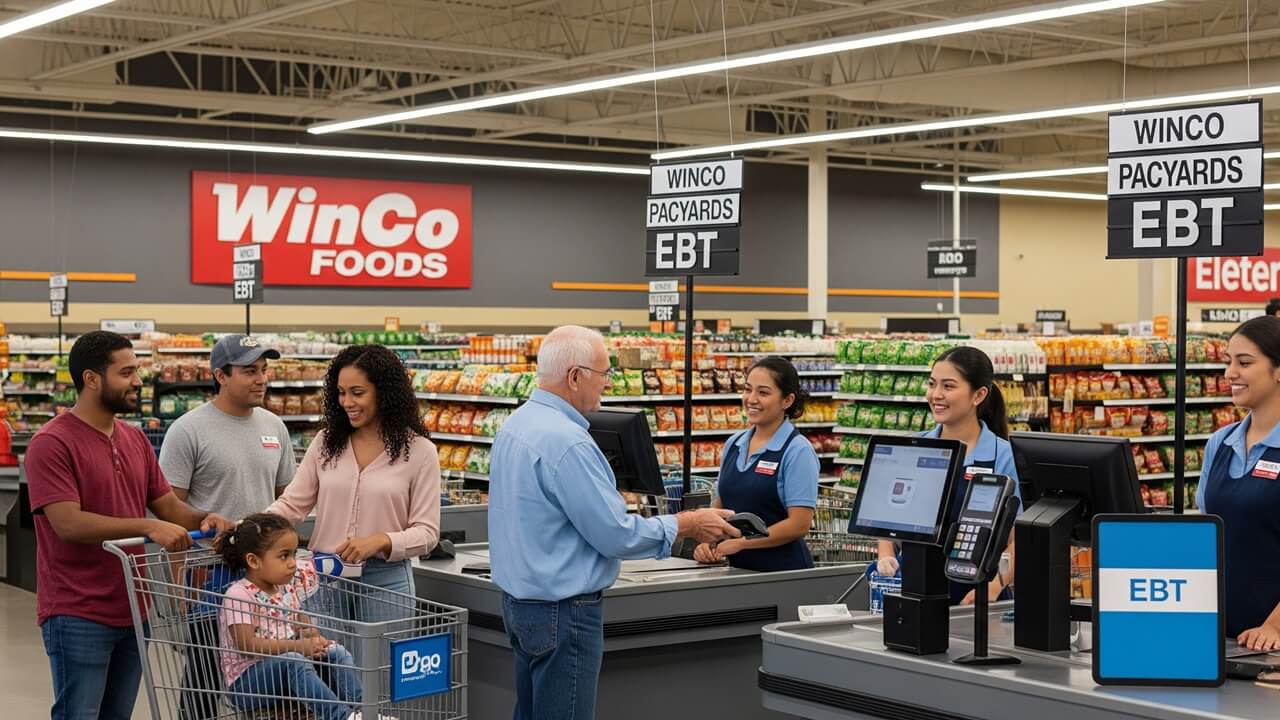
When a SNAP recipient goes to the store, they use their EBT card, which works like a debit card. The retailer then processes the transaction and gets reimbursed by the government for the purchase. The retailer can’t profit from the benefits themselves, but it’s still a helpful way for them to conduct business.
| Role | Responsibilities |
|---|---|
| SNAP Recipients | Use EBT cards to purchase eligible food items. |
| Retailers | Accept EBT cards, provide food, and process transactions. |
The retailers need to follow the USDA’s rules and regulations to accept SNAP benefits. This includes things like only selling eligible food items, properly handling EBT cards, and keeping good records.
Retailers benefit by receiving payment for the goods they sell and by potentially gaining customers who may have not shopped there. SNAP provides a revenue stream for many stores, especially those located in areas with a lot of SNAP recipients. These stores also contribute to the local economy by employing people and providing services.
Non-Profit and Charitable Contributions
Supplementing the System
While the federal government and states provide the main funding, non-profit organizations and charities also help to support SNAP and food assistance efforts. These organizations often play a valuable role in helping people access the program and in providing other resources.
These groups do not directly pay for food stamps, as the federal government handles that. Instead, they often provide a variety of services, which may include:
- Helping people apply for SNAP benefits.
- Offering food banks and food pantries that supplement SNAP.
- Providing education on nutrition and healthy eating.
- Advocating for policies that improve food security.
Food banks and food pantries provide a safety net for people who may not qualify for SNAP or who need additional help. These organizations rely on donations and volunteer efforts. They help to fill gaps in the food assistance system.
Charities and non-profits work together with SNAP. They can help ensure that people have access to the food they need to be healthy and successful.
Economic Impact
Ripple Effects of Funding
Funding for SNAP has a significant impact on the economy. SNAP benefits boost the economy by increasing spending in local communities. When people use their SNAP benefits to buy groceries, they’re supporting local businesses and creating jobs. This can lead to increased economic activity.
The economic impact includes:
- Increased food sales at grocery stores and other retailers.
- More jobs in the retail and food service industries.
- Increased tax revenue for local, state, and federal governments.
SNAP benefits help people afford the food they need, it can also positively affect the economy. When families have enough food to eat, they are better able to focus on other things, such as finding work, staying in school, and participating in their communities. This can contribute to a more productive workforce and a stronger economy.
SNAP is one of the government’s tools to help to stabilize the economy during times of economic hardship. It can quickly get money into the hands of people who need it, which helps to stimulate spending. This spending can help to keep businesses afloat and prevent a deeper economic decline.
In Conclusion
So, who pays for Food Stamps? It’s a team effort! The federal government is the primary funder, with money coming from taxpayers. The states help with administration, and retailers, charities, and non-profits play important roles. SNAP is an important program that relies on many different players to help make sure people have access to healthy food, and it also benefits the economy.