Food stamps, officially known as the Supplemental Nutrition Assistance Program (SNAP), help people with low incomes buy food. They are a lifeline for millions of Americans, providing access to groceries and supporting families in need. But have you ever wondered exactly who is responsible for getting these benefits to people? Let’s dive in and find out!
The Federal Government’s Role
The United States Department of Agriculture (USDA) is the big boss when it comes to SNAP. The USDA sets the rules for the program. They decide how much money people can get, what kind of food they can buy, and who is eligible to receive benefits. Think of the USDA as the rule maker for SNAP. They also provide most of the money for the program. They oversee things to make sure the program is working fairly and effectively.
The USDA also works with state agencies, providing them with the money they need to run the program. They make sure that states are following the federal guidelines and that the program is working efficiently. The USDA monitors the program for fraud and abuse. They want to make sure the money is going to the people who truly need it. This ensures fairness and helps maintain the integrity of SNAP.
The USDA makes sure to update the guidelines regularly, changing with the times and the economy. They do this by analyzing data and monitoring food prices. They also make sure to keep the states updated.
So, the federal government, specifically the USDA, establishes the overall framework and provides the funding for SNAP, ensuring the program operates nationwide.
State Agencies: The Hands-On Helpers
While the USDA sets the rules, the states are the ones who actually put those rules into action. Each state has its own agency, usually called the Department of Human Services or something similar, that handles the day-to-day operations of SNAP. These agencies are responsible for making sure people can apply for food stamps and get the help they need. They’re the boots on the ground, interacting with people and getting the food assistance distributed.
Think of it like a relay race. The USDA hands off the baton (the rules and money) to the state agencies. These agencies then run the rest of the race (implementing SNAP) in their specific state. Because different states have different needs, the agencies do things a bit differently.
State agencies are responsible for some things. They:
- Accepting and processing applications for SNAP benefits.
- Determining eligibility based on federal and state guidelines.
- Issuing Electronic Benefit Transfer (EBT) cards, which are like debit cards used to purchase food.
- Conducting reviews to make sure recipients still qualify.
State agencies do some additional things too. They also deal with any problems. For instance, if someone loses their EBT card or has questions about their benefits, the state agency is the place to go. They also investigate any reports of fraud or misuse of SNAP benefits.
Eligibility Determination: Who Gets Food Stamps?
Figuring out who qualifies for SNAP is a big job. State agencies use guidelines set by the USDA to decide who gets benefits. It’s not as simple as just saying “I need help!” There are specific rules to make sure the program is fair. This includes checking income and resources to determine if an applicant meets the program’s requirements.
The USDA sets income limits, which are usually based on the federal poverty level. If a person’s income is below a certain amount, they might qualify for SNAP. States can also have their own income limits, sometimes slightly different than the federal limits.
Another thing that is checked is how many people are in the applicant’s household. The larger the household, the more help they might need, and the higher the income limit could be. A household’s resources, like bank accounts and other assets, are also considered.
Here’s a quick look at some general eligibility requirements:
- Income: Generally, you need to have a low income, as determined by federal and state guidelines.
- Resources: There are limits on the amount of money and other resources a household can have.
- Work Requirements: In some cases, able-bodied adults without dependents may need to meet certain work requirements to get SNAP benefits.
- Residency: You must live in the state where you are applying.
EBT Cards: The Modern Food Stamps
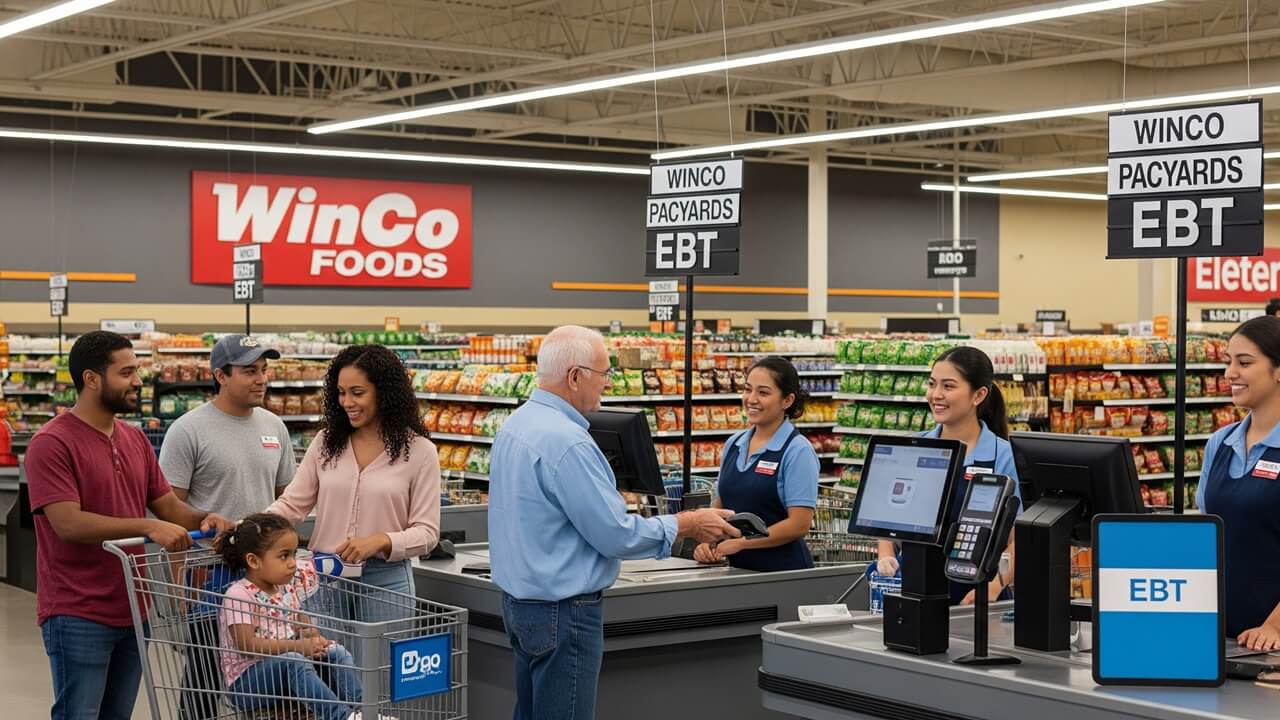
Remember the old days of paper food stamps? Those are long gone. Today, SNAP benefits are distributed through EBT cards. These cards look and work like debit cards. They are used to purchase food at grocery stores and other authorized retailers. It makes the whole process much easier for everyone.
The state agency issues an EBT card to each eligible recipient. Once a month, the benefits are loaded onto the card. The person can then use the card to buy groceries at stores that accept SNAP benefits. To pay, they swipe the card, enter a PIN number, and the amount of the purchase is deducted from their SNAP balance.
The EBT system is pretty advanced. It keeps track of each person’s benefits and how much they have spent. It helps prevent fraud and allows the state to monitor spending. It is safe and convenient.
Here’s some of the information that the EBT system tracks:
| Information Tracked | Description |
|---|---|
| Remaining Balance | How much money is left on the card. |
| Transactions | The date, time, and amount of each purchase. |
| Retailer Information | The name and location of the store where the purchase was made. |
Retailers: Where You Can Use Food Stamps
Not just any store can accept SNAP benefits. Retailers must apply and be approved by the USDA to participate in the program. This ensures that the stores are selling eligible food items and following the rules. The rules make sure that the money is used for food.
Most grocery stores and supermarkets accept EBT cards. Also, many farmers markets, convenience stores, and even some online retailers are approved to accept SNAP benefits.
SNAP benefits can be used to purchase a wide variety of food items. It can buy things like fruits, vegetables, meat, poultry, fish, dairy products, bread, cereals, and seeds and plants to grow food. However, some things are not allowed, such as alcohol, tobacco, pet food, and non-food items.
Here are some of the places you can use SNAP benefits:
- Grocery Stores
- Supermarkets
- Farmers Markets
- Convenience Stores
- Some Online Retailers
Program Integrity: Fighting Fraud and Abuse
To make sure SNAP works fairly, there are many efforts made to prevent fraud and abuse. State and federal agencies work together to investigate any suspected misuse of the program. The goal is to make sure the money is going where it is needed.
One way they do this is by checking eligibility regularly. They may ask people to verify their income or other information. This helps ensure that only eligible people are receiving benefits. If someone is found to be breaking the rules, there can be penalties.
There are several ways that fraud can occur. For example, someone might sell their EBT card for cash or use their benefits to buy ineligible items. The government fights against fraud with investigations and by working with law enforcement.
Here are some examples of what could happen if someone uses SNAP benefits fraudulently:
- Benefit Suspension: The person’s SNAP benefits could be stopped.
- Repayment: They may have to pay back the benefits they misused.
- Legal Consequences: In some cases, fraud can lead to criminal charges.
- Retailer Penalties: Retailers that commit fraud can be fined or lose the ability to accept SNAP.
The Future of Food Assistance
SNAP is constantly evolving. As the needs of the people change, and as technology advances, the program adapts. There are continuous efforts to make it more efficient, accessible, and effective in helping people get the food they need.
The USDA is always looking for ways to improve the program. This can mean changes to eligibility rules, benefit amounts, or how benefits are distributed. New technologies like mobile apps and online portals are also being developed to make it easier for people to manage their benefits.
One area of focus is promoting healthy eating habits. The USDA wants to encourage people to use their SNAP benefits to buy nutritious foods. They also may provide educational programs to help people make healthy choices.
The future of SNAP will likely include more emphasis on:
- Technology: To improve access and efficiency.
- Nutrition: To promote healthy eating habits.
- Partnerships: With local organizations to reach more people.
In conclusion, getting food stamps is a team effort. The federal government sets the rules and provides the funding. Then, state agencies handle the day-to-day operations and distribute the benefits to those who need them. It is a complex but important program that helps millions of Americans put food on the table.