Figuring out how to get help with groceries can sometimes feel like solving a puzzle! One of the first things you might need when looking into food assistance, often called SNAP (Supplemental Nutrition Assistance Program) or food stamps, is the phone number for the local office. This essay will help you understand what you need to know about finding that important phone number and what else you might need to do to get food assistance.
Finding the Right Number
So, what is the Food Stamp Office phone number? Well, the exact phone number you need depends on where you live. Each state and even different counties within a state have their own specific offices and phone numbers. There isn’t one single number that works everywhere.
To find the right number for your area, there are a few good places to look. The internet is a great place to start! You can search for “SNAP office [your city/county/state]”. Another reliable source is your state’s official website. This is usually the most accurate information. And, a quick phone call can work too! Call 211 to get connected with the services you need.
Remember to be specific when searching online. For example, instead of searching “food stamps phone number,” try “SNAP office in [your county]” or “food assistance [your state]”. This will help you get the most relevant results.
Also, your local library or community center might have information about food assistance programs and the contact numbers for your area. They often have flyers and brochures with helpful information, and the staff can point you in the right direction.
What Information Will You Need When You Call?
Gather Your Documents
When you call the food stamp office, be prepared to answer some questions and provide some information. It helps to have some documents ready. This way, you’ll be prepared. Being ready makes the process go much faster and smoother.
Some of the information you might be asked to provide includes:
- Your name, address, and phone number.
- The names and birthdates of everyone in your household.
- Your Social Security number.
- Information about your income, like pay stubs or proof of any other benefits you receive.
You might also be asked about your expenses, such as rent or mortgage payments and utility bills. The more information you can give, the better, but don’t worry if you don’t have everything right away. The caseworker can help you.
Here’s a small table to help you remember:
| Information Needed | Why They Need It |
|---|---|
| Name & Address | To verify your location. |
| Income | To determine eligibility. |
| Household Size | To calculate benefits. |
Understanding the Application Process
Getting Started
Once you’ve got the phone number, you can start the application process. The process may vary slightly by state, but it generally involves an interview. If you are eligible, you’ll receive a monthly amount of money put onto an EBT (Electronic Benefit Transfer) card. You can use this card like a debit card to buy groceries at many stores.
The application process can be online, in person, or over the phone. Some states have online portals where you can fill out the application form. It’s usually pretty straightforward, but if you need help, don’t hesitate to ask a friend, family member, or someone at the food stamp office. Many states also have in-person offices where you can apply in person.
Once you’ve applied, the food stamp office will review your application. They will look at the information you provided and verify it. This may take some time.
Here is a quick view of some steps to the application process:
- Find the phone number and contact your local office.
- Gather all the needed information and any documents.
- Complete the application form.
- Submit your application.
- The office will review your application.
- You will get an interview.
- Get approved (hopefully!).
Eligibility Requirements for Food Stamps
Who Can Apply?
Not everyone is eligible for food stamps. Eligibility is determined by a number of factors, including income, household size, and resources (like savings and assets). Each state has its own specific rules, but generally, people with low incomes and few resources are eligible.
The food stamp office will assess your eligibility based on the information you provide in your application and during your interview. Income limits change each year, so the best way to find out if you are eligible is to contact your local food stamp office or check the state’s official website.
The income limits are different for each household. Some people may be able to get help, and some may not be eligible. Sometimes the income limit is based on how much money you make before taxes, or your gross income.
Other things that affect eligibility:
- Your residency status.
- Whether you are a U.S. citizen.
- If you are already receiving any other form of government assistance.
- Your work status.
Using Your EBT Card
How to Shop
Once you are approved for food stamps, you’ll receive an EBT card. This is a special debit card that you can use to buy food at authorized stores. It works like a regular debit card, but it can only be used to purchase eligible food items.
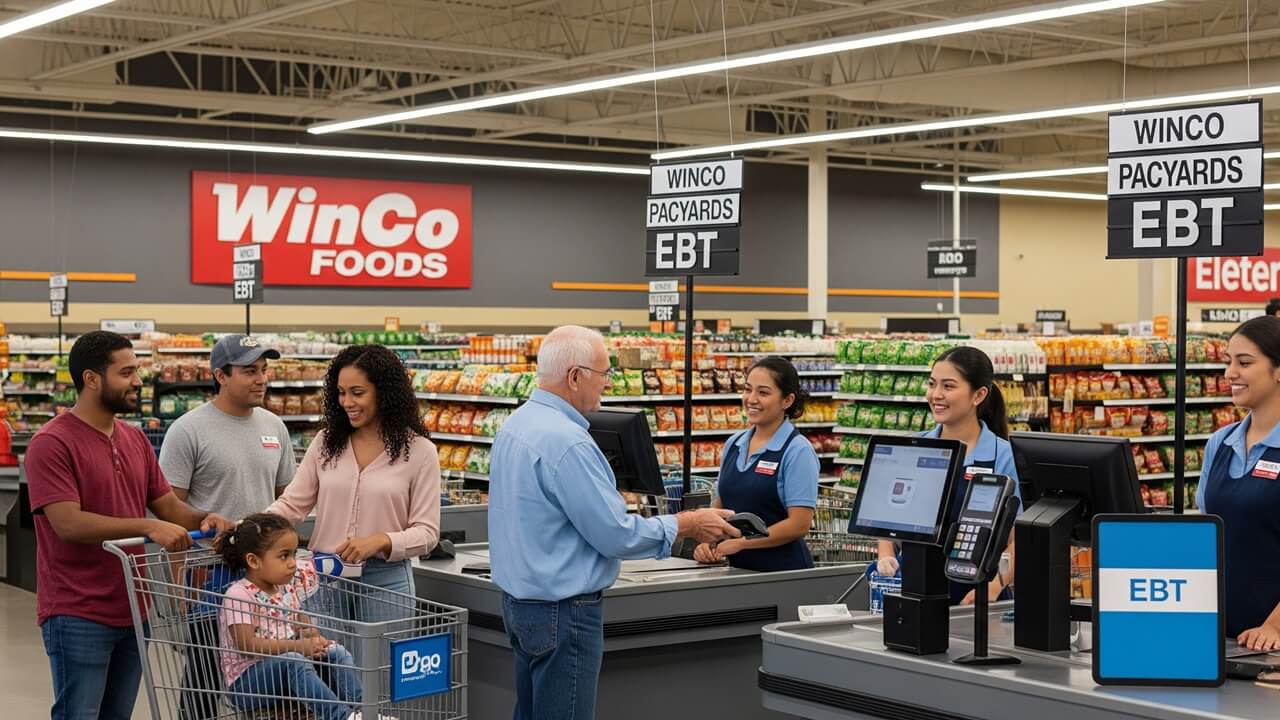
You can use your EBT card at most grocery stores, supermarkets, and farmers’ markets. You can also use it at some convenience stores and online retailers. Look for the EBT logo or a sign that says “SNAP accepted” to know if a store accepts food stamps.
When you go to the checkout, you’ll swipe your card, enter your PIN, and the cost of your groceries will be deducted from your food stamp balance. You’ll get a receipt that shows your remaining balance.
Some places let you pay online:
- Amazon
- Walmart
- Grocery stores in your area
What Can You Buy with Food Stamps?
Eligible Food Items
You can buy a wide variety of food items with your food stamps, including fruits, vegetables, meat, poultry, fish, dairy products, breads, cereals, and other groceries. You can also buy seeds and plants to grow your own food.
There are some things you *cannot* buy with food stamps. This includes things like alcohol, tobacco products, pet food, and non-food items like paper towels, cleaning supplies, and diapers.
The rules about what you can and cannot buy are pretty straightforward, but it’s always a good idea to double-check if you’re unsure. If you have any questions, you can ask the cashier at the store or contact your food stamp office.
Here’s a chart to help you remember:
| You CAN Buy | You CANNOT Buy |
|---|---|
| Fruits & Vegetables | Alcohol |
| Meat, Poultry, Fish | Tobacco |
| Dairy Products | Pet Food |
| Breads & Cereals | Paper Products |
Maintaining Your Food Stamp Benefits
Staying in Good Standing
Once you’re receiving food stamps, there are some things you need to do to keep getting them. You’ll need to report any changes in your income, address, or household size. These changes could affect your eligibility. If you move, be sure to alert the office.
You might also need to renew your benefits periodically. The food stamp office will send you a notice when it’s time to renew. You’ll need to fill out a renewal application and provide updated information. The office will review this information to make sure you still meet the eligibility requirements.
Failing to report changes or renew your benefits could result in a loss of benefits. It’s important to keep your contact information up to date so the office can reach you.
Always remember these important points:
- Report changes!
- Renew on time!
- Keep your contact info updated!
If you have any questions about maintaining your benefits, don’t hesitate to contact the food stamp office. They can provide you with information and guidance.
Conclusion
Finding the food stamp office phone number is the first step in the process of getting food assistance. It can be done by searching online and also calling 211. Remember that the number is specific to where you live. By understanding the application process, the eligibility requirements, and how to use your EBT card, you can successfully navigate the food stamp program and get the help you need. Don’t be afraid to reach out to your local food stamp office; they are there to help. Good luck!