The Supplemental Nutrition Assistance Program, or SNAP, is a really important program in the United States. It helps families and individuals with low incomes buy food. It’s a federal program, which means it’s run by the government, but each state helps manage it. SNAP provides benefits in the form of a card that works like a debit card, which people can use to purchase groceries at authorized stores. This essay will dive into how SNAP works, its costs, and its impact on people and the country.
How Does SNAPp Actually Help with Food Costs?
So, you’re probably wondering, how does SNAP actually help people afford food? Well, it’s pretty straightforward. **SNAP provides money each month to eligible individuals and families to purchase food at grocery stores and other approved retailers.**
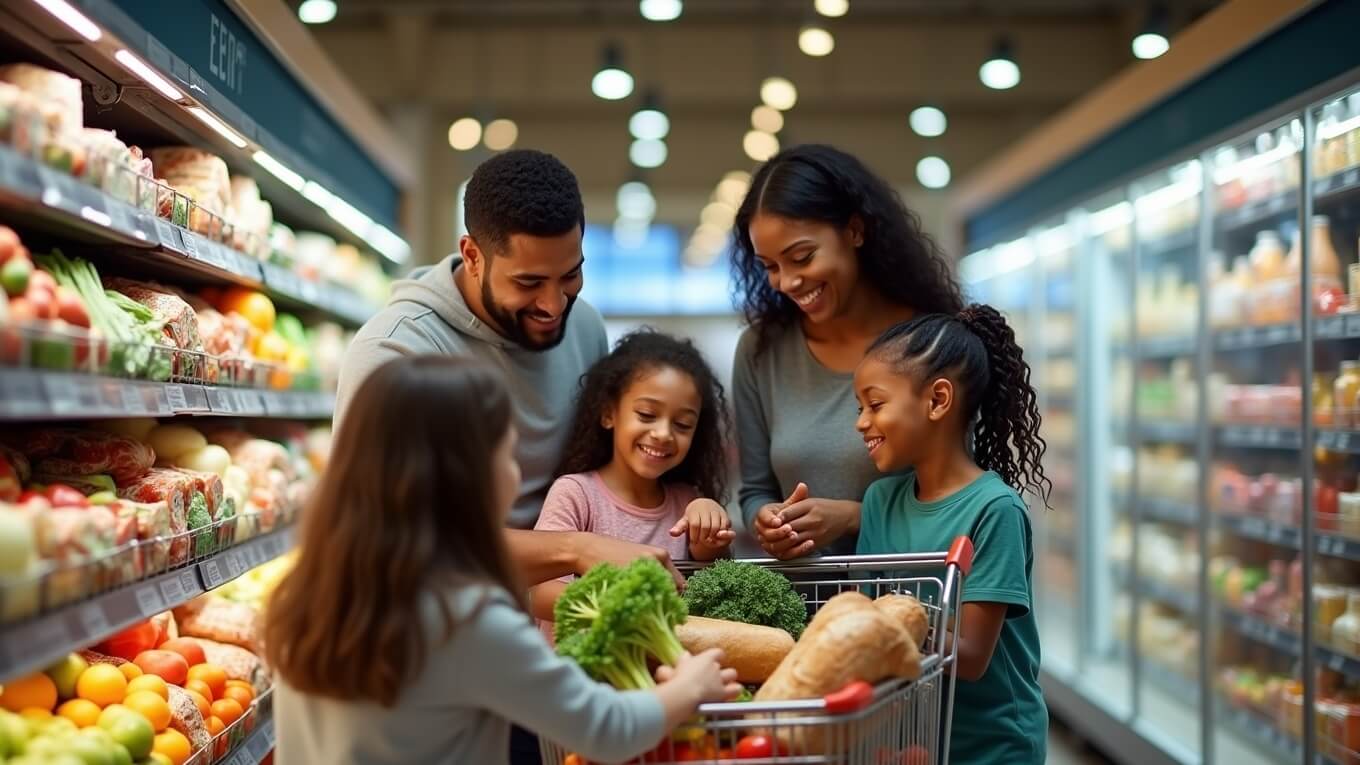
The amount of money someone gets depends on their income, the number of people in their household, and their expenses, like housing and childcare. The goal is to make sure people have enough to eat. The benefits are loaded onto an EBT card, which is an electronic benefits transfer card. This card works kind of like a debit card, and you can use it to buy things like fruits, vegetables, meat, bread, and cereals. You can’t use it for things like alcohol, tobacco, or prepared foods that you eat in the store. It’s all about making sure people can get healthy food on the table.
SNAP is designed to be flexible. The money is put on the card regularly, so people know when they can go shopping. It is also adaptable to the needs of the family.
The program can be a lifeline for millions of people who might otherwise struggle to get enough food to eat. It helps families save money they would normally spend on food for other important things, like rent or medical bills.
Who Is Eligible for SNAPp Benefits?
Figuring out who is eligible for SNAP can seem complicated, but it boils down to a few key factors. The main things are income and resources, like how much money or property a person has. Each state has its own rules, but they all follow federal guidelines. There are maximum income levels, and if you earn too much, you won’t qualify.
- **Income Limits:** These are based on the size of the household. The larger the family, the more income they can have and still qualify.
- **Resource Limits:** Limits are put on how much money and other resources a household can have, like savings accounts.
- **Work Requirements:** Able-bodied adults without dependents may be required to work a certain number of hours or participate in a job training program to receive benefits.
These rules are set to make sure that the people who really need the help get it. Certain groups of people, like the elderly or people with disabilities, might have different rules that make it easier for them to qualify. It’s all about making sure that people who are struggling to afford food get the support they need.
To apply for SNAP, you usually need to go through your local social services agency. The process can involve filling out an application, providing documentation, and having an interview. It’s important to remember that SNAP eligibility can change based on things like job status and income.
How Much Does SNAPp Actually Cost?
SNAP is a big program, so you might be asking, how much does it cost? A lot of money goes into it each year! The cost of SNAP varies from year to year based on things like how many people are enrolled, the price of food, and the overall economy. The federal government pays most of the cost, and the states cover the costs of administering the program.
The amount spent on SNAP is often talked about in government budgets. There are many different things that go into the budget, but SNAP is a big chunk of that. You can think of it like this:
- **Benefits:** The biggest expense is the money that goes to people to buy food.
- **Administrative Costs:** This covers the cost of running the program, like the salaries of the people who work on it and the cost of the EBT cards.
- **Economic Factors:** The price of food and the economy can influence how much SNAP costs.
There are lots of discussions about the cost of SNAP. Some people think it’s a great way to help people in need, while others think it’s too expensive. Finding the right balance is always the goal.
The Impact of SNAPp on the Economy
SNAP has a surprising impact on the economy. Think of it like this: when people use their SNAP benefits at the grocery store, they’re boosting the economy. They’re supporting local businesses and the food industry. SNAP money helps keep grocery stores in business, and it also helps farmers and food producers.
When families have money to buy food, they are more likely to be healthy and able to work, which can contribute to the economy in the long run. It can also reduce the burden on hospitals and other public services, since healthier people use fewer resources.
During times of economic hardship, SNAP can be especially important. It acts like a “safety net”, helping to keep the economy afloat. It helps prevent things from getting even worse by making sure that money keeps flowing, which helps prevent job losses and business closures.
| Economic Impact | Details |
|---|---|
| Increased spending at grocery stores | This helps keep stores open and supports jobs. |
| Stimulates the food industry | Helps farmers, producers, and distributors. |
| Can prevent deeper economic downturns | During economic hardships, SNAP is a form of financial aid. |
There are many economists who study the impact of SNAP on the economy, and they often find positive effects, such as economic boosts and job creation.
The Role of SNAPp in Reducing Hunger
One of the most important things about SNAP is that it helps reduce hunger. It makes sure that people have enough to eat. Without SNAP, many families would struggle to put food on the table. Imagine trying to focus on school or work when you’re hungry. SNAP helps ease that worry and gives people a chance to thrive.
- **Food Security:** This means having reliable access to enough food.
- **Improved Health:** People who eat regularly tend to be healthier.
- **Access to Nutrition:** People can make smarter choices in the food they buy.
SNAP is a really important tool in the fight against hunger, especially for children and the elderly. By providing food assistance, SNAP helps to level the playing field and make sure everyone has the chance to eat healthy food.
There are many different programs working to reduce hunger, and SNAP is one of the biggest and most effective. SNAP’s impact can be seen directly in the communities and the health of our nation.
Changes and Debates Surrounding SNAPp
SNAP isn’t a static program; it is always changing. There are often debates in government about how SNAP should work. Many factors go into these decisions, from changes in the economy to new ideas about how to best help people.
One big topic of debate is the rules for eligibility. Some people argue that the rules should be more strict to make sure that the help goes to those who need it the most. Others want to make it easier for people to get help, to ensure more people have the food they need. These debates can be heated and involve lots of discussion and different points of view.
Another area of debate is the types of food that people can buy with SNAP benefits. Some people want to encourage people to buy healthier foods, by restricting what people can purchase. Others believe people should be able to buy what they want, which may include a wide variety of items.
- **Eligibility Rules**
- **Types of Food**
- **Funding Levels**
These changes are always influenced by research and the experiences of the people who use SNAP. SNAP is an evolving program that is always working to make sure it is effective.
Conclusion: Understanding the SNAPp Cost USA Food
So, SNAP is a big deal. It helps millions of people afford food, boosting the economy, and fighting hunger. It’s a program that is constantly evolving and adapting to meet the needs of the country. Understanding how SNAP works, its costs, and its impact is important for anyone who wants to know about the food system in the USA. SNAP is more than just a program; it’s a critical part of our country’s effort to make sure everyone has a chance to live a healthy and productive life.