Navigating the world of government assistance programs can seem tricky, but understanding them is important. Two significant programs designed to help low-income individuals and families are the Section 8 Housing Choice Voucher Program and the Electronic Benefit Transfer (EBT) program. Section 8 assists with housing costs, while EBT helps with food expenses. This essay will break down both programs, explaining their purpose, eligibility, and how they work to provide support to those who need it most. We’ll look at how these programs function independently and, sometimes, together, in helping people meet their basic needs.
What Does Section 8 Do?
Section 8, formally known as the Housing Choice Voucher Program, provides rental assistance to eligible low-income families, the elderly, and people with disabilities. The program allows participants to choose their own housing, as long as it meets certain quality standards and the landlord agrees to participate. The government pays a portion of the rent directly to the landlord, and the family pays the difference, usually around 30% of their adjusted gross income. This helps families afford safe and decent housing.
The primary goal of Section 8 is to make housing more affordable for those with limited financial resources. It empowers individuals by allowing them to select housing options that best suit their needs and location preferences, within the guidelines of the program. It is administered locally by Public Housing Agencies (PHAs), which determine eligibility and oversee the voucher program. These agencies ensure the properties meet certain standards for health and safety. The process involves an application, income verification, and, if approved, finding a suitable rental unit.
Eligibility for Section 8
To qualify for Section 8, individuals and families must meet specific eligibility requirements. These requirements are in place to ensure the program serves those with the greatest need. Income is a major factor, and there are limits based on the area where someone wants to live. These limits change annually and vary depending on the size of the family and the local cost of living. Besides income, citizenship or eligible immigration status is also required.
Another key factor is family size. The number of people living in the household is considered when determining eligibility and the appropriate voucher size. A family of one would be eligible for a smaller unit, while a larger family would be eligible for a larger unit. The PHA will review a person’s background and might deny the application if the person has a history of drug-related criminal activity. Here are some of the primary requirements:
- Income limits based on the area.
- U.S. citizenship or eligible immigration status.
- Meeting other PHA-specific requirements.
The application process involves providing documentation, such as proof of income, identification, and social security numbers for all members of the household. It’s often a long process because there’s usually a waiting list, and the demand for housing assistance frequently outweighs the available vouchers.
How Section 8 Helps with Housing Costs
Section 8 directly impacts the cost of housing for eligible participants. It essentially creates a partnership between the government, the tenant, and the landlord. The government, through the PHA, pays a portion of the rent to the landlord, based on the “payment standard” for the area and the tenant’s income. The tenant then pays the difference between the landlord’s rent and the amount covered by the voucher. This approach can significantly reduce the amount of money a family needs to pay each month for housing, freeing up resources for other essential needs.
This system allows many families to live in better neighborhoods and access to better schools and employment opportunities. The program promotes stability by helping families avoid homelessness and the constant stress of housing insecurity. The size of the housing unit available is usually determined by the number of people who live in the household. For instance, a couple might be eligible for a one-bedroom apartment, while a family with three children might be eligible for a three-bedroom unit. Here is a table that shows some examples:
| Household Size | Approximate Bedroom Size |
|---|---|
| 1 Person | Studio or 1-Bedroom |
| 2 People | 1-Bedroom |
| 3 People | 2-Bedroom |
| 4 People | 3-Bedroom |
Landlords who participate in the Section 8 program must comply with specific housing quality standards. These standards ensure the safety and habitability of the rental units. This helps provide participants with a decent and safe place to live, adding more value.
Understanding EBT: Food Assistance
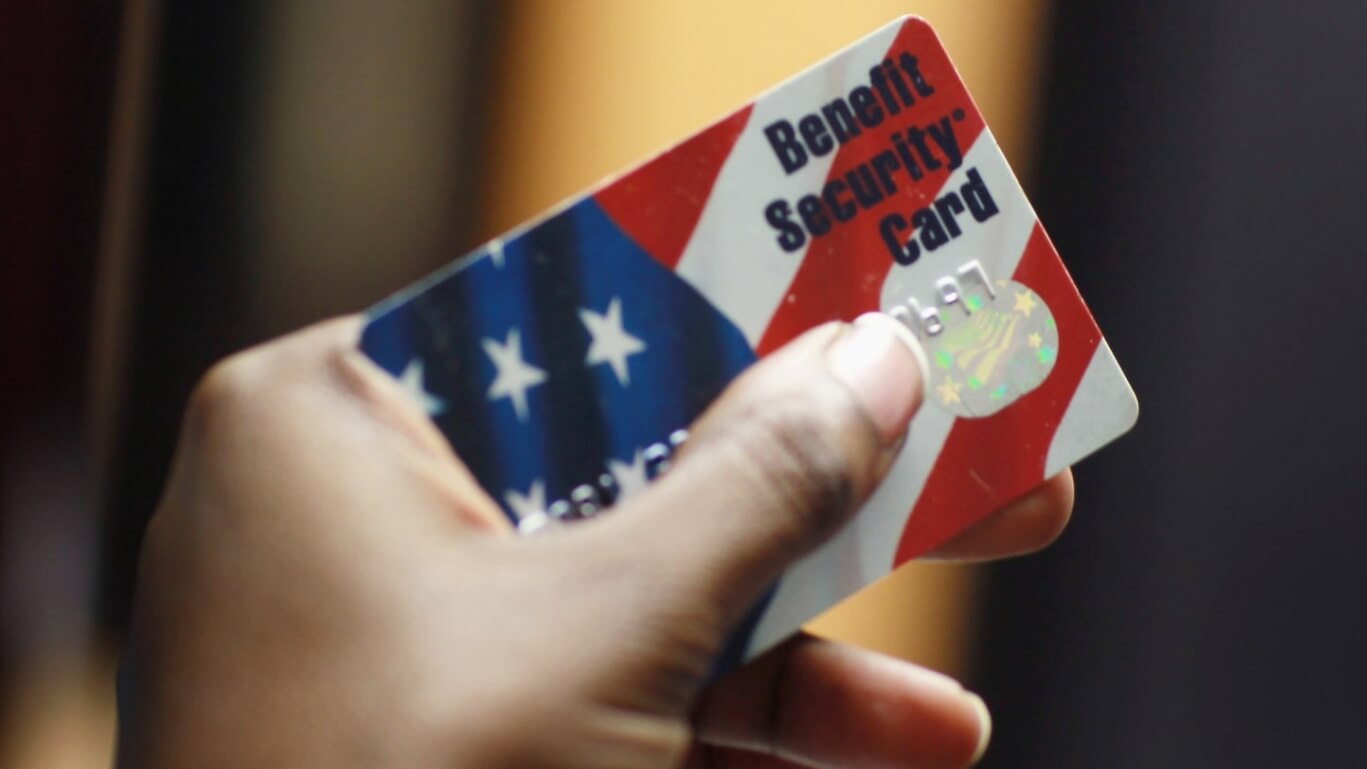
EBT, or Electronic Benefit Transfer, is the system used to distribute food assistance benefits. This system replaces paper food stamps and provides a debit card that can be used to purchase eligible food items at authorized stores. The primary purpose of EBT is to combat food insecurity and provide low-income individuals and families with access to nutritious food. EBT cards look like debit cards and are reloaded monthly with benefits based on household size and income.
The program helps those who struggle to afford groceries to obtain food. It allows them to maintain their health and well-being. EBT benefits are typically distributed through the Supplemental Nutrition Assistance Program (SNAP), formerly known as food stamps. The process is easy to use, just like a regular debit card. It offers a discreet and efficient way for people to receive food assistance. This system provides privacy for participants, reducing the stigma sometimes associated with receiving food assistance.
The EBT card can only be used for specific food items, such as groceries, snacks, and non-alcoholic beverages. It cannot be used to buy alcohol, tobacco products, pet food, or household supplies. The goal is to focus on purchasing nutritious foods to support the health of participants.
Here are some examples of what you can and cannot buy with EBT:
- You CAN Buy: Fruits and vegetables, Meat and poultry, Dairy products, Breads and cereals
- You CANNOT Buy: Alcoholic beverages, Tobacco products, Pet food, Vitamins and supplements
Eligibility for EBT/SNAP
Eligibility for EBT, which is primarily associated with SNAP, is based on income and resources. The income limits vary depending on the state and the size of the household. The more people in the household, the higher the income limit. SNAP looks at both gross and net income to determine eligibility. Gross income is your total income before taxes and deductions, while net income is your income after those deductions are applied. Resources, such as savings accounts and property, are also considered when determining eligibility.
To apply for SNAP, individuals and families must complete an application and provide documentation to verify their income, resources, and household composition. The application process can vary by state but usually involves an interview and document submission. Once approved, participants receive an EBT card loaded with monthly benefits. The amount of the benefits is determined by their income and resources.
Those who are employed but have low wages, unemployed individuals, the elderly, and those with disabilities can be eligible. Eligibility is reviewed periodically to ensure participants continue to meet the program’s requirements. Students and certain legal immigrants are also eligible.
Here are some of the documents usually needed to apply for SNAP:
- Proof of identity (e.g., driver’s license, passport)
- Proof of income (e.g., pay stubs, unemployment benefits statements)
- Proof of housing costs (e.g., lease agreement, mortgage statement)
- Proof of resources (e.g., bank statements)
How Section 8 and EBT Can Work Together
While Section 8 and EBT are separate programs, they often assist the same populations. Many families who receive housing assistance through Section 8 are also eligible for food assistance through EBT. These programs work in tandem to help individuals and families meet their basic needs for housing and food. When both programs are used, they can significantly reduce the financial burden on low-income households, allowing them to stretch their resources further.
People may use their Section 8 vouchers to pay their rent, freeing up their limited income for other necessities like food. Then, they can use their EBT benefits to purchase groceries. The combination of these supports helps create a more stable and secure living situation. Both programs can contribute to improved health and well-being by ensuring access to safe housing and nutritious food. Section 8 and EBT have similar goals: to reduce financial stress and increase stability for those in need.
Here’s an illustration of how the two programs might work in tandem for a family:
- The family gets approved for a Section 8 housing voucher.
- The family finds a suitable rental unit and signs a lease.
- The PHA pays a portion of the rent directly to the landlord.
- The family receives an EBT card with monthly benefits.
- The family uses the EBT card to buy groceries.
- The family pays the remaining portion of their rent and other expenses with their remaining income.
The interaction of these programs helps to create a support system, making life a little easier for those facing financial challenges.
Challenges and Considerations
While Section 8 and EBT offer important assistance, they are not without challenges. Demand for both programs often exceeds the available resources, leading to long waiting lists for Section 8 vouchers. This can make finding affordable housing difficult for those who qualify. Some neighborhoods don’t accept Section 8 vouchers, and the stigma associated with using these programs can create feelings of shame or discrimination.
EBT can also face issues. Technical problems with card readers at stores can interrupt transactions. There can also be issues with lost or stolen cards. For some, the amount of benefits received may not be enough to meet their needs for the entire month. It is important for people to receive good customer service when dealing with government agencies, and that’s not always the case.
These programs rely on funding from the government, and changes in funding can affect the availability of assistance. It’s essential to recognize these challenges to work toward solutions and improve the programs. Here are some of the challenges that people might face:
| Section 8 | EBT |
|---|---|
| Long waiting lists | Limited benefit amounts |
| Stigma and discrimination | Card reader issues |
| Finding landlords who accept vouchers | Potential for fraud |
Advocacy and ongoing efforts to improve these programs are vital to ensure that they continue to effectively serve those who need them.
Conclusion
Section 8 and EBT are valuable resources designed to provide critical support to low-income individuals and families. Section 8 helps make housing more affordable, while EBT helps ensure access to nutritious food. While these programs can face challenges, they play a crucial role in providing stability and improving the quality of life for many people. By understanding how these programs work, their eligibility requirements, and the challenges they face, we can better appreciate their importance and work towards improving them to better meet the needs of our communities.