The Supplemental Nutrition Assistance Program, often called food stamps, is a government program designed to help people with low incomes buy food. It’s a really important program, but like anything, there’s a lot of discussion about whether it’s a good thing or a bad thing. Some people think it’s a lifesaver, while others have serious concerns. This essay will explore the different sides of the debate to help you understand if food stamps are “bad” and what that really means.
Does Food Stamps Create Dependency?
One of the biggest worries people have about food stamps is whether it makes people overly reliant on government assistance. Some argue that receiving food stamps discourages people from seeking employment, leading to a cycle of dependence. They might believe that if basic needs are met, people may be less motivated to work hard to improve their situation.
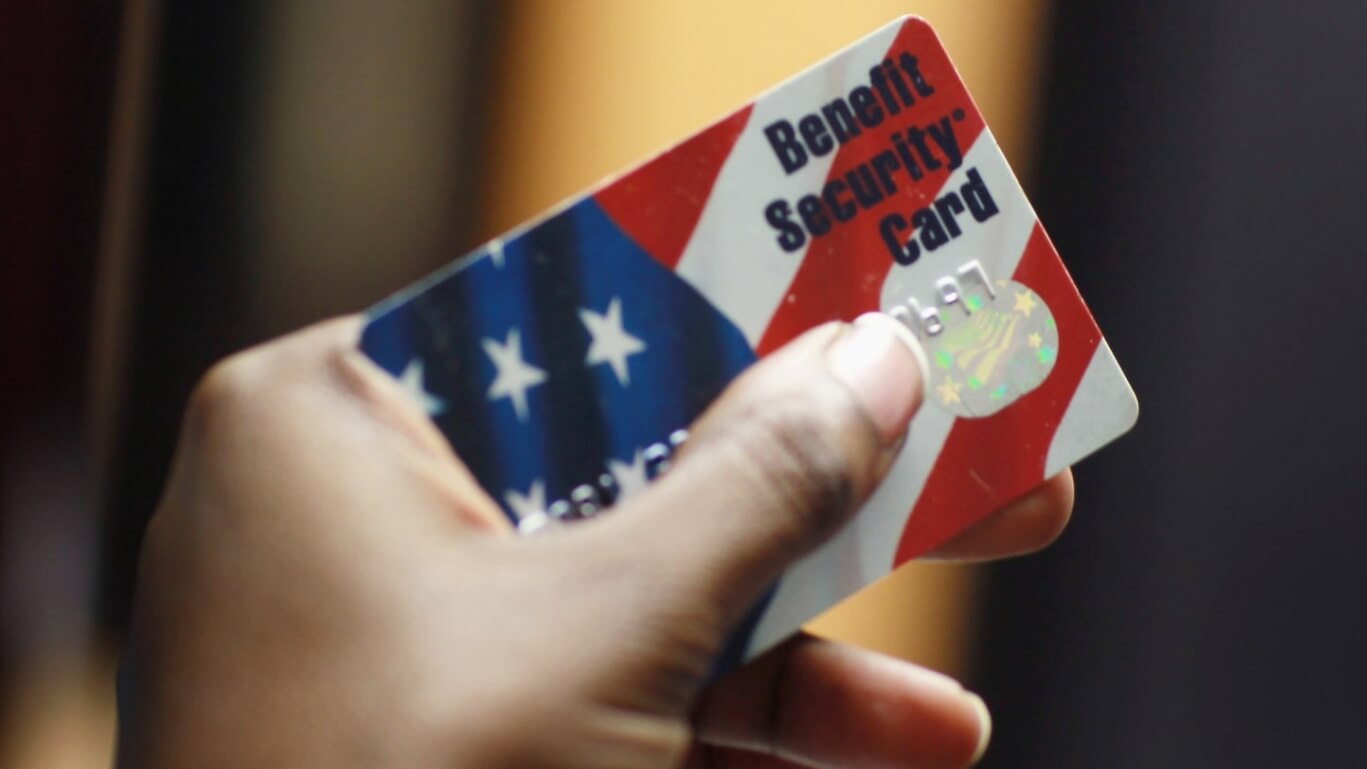
However, this view doesn’t always tell the whole story. Many individuals who receive food stamps face significant barriers to employment. These can include lack of job training, limited access to affordable childcare, and transportation challenges. It’s important to recognize these hurdles when considering how easy it is for people to find a job.
Many people who use food stamps are also working, but their wages are simply too low to cover the cost of food. Food stamps can help these working families make ends meet, allowing them to afford essential groceries and maintain a stable life. Additionally, many people only need food stamps temporarily, for example when they are between jobs.
While some people might become dependent, food stamps are intended to be a safety net, not a way of life. It’s designed to support people through tough times, offering a helping hand until they can get back on their feet. Many initiatives help food stamp recipients find work, like job training programs and help with resumes.
Is Food Stamps a Waste of Taxpayer Money?
Another common criticism is that food stamps are a waste of taxpayer money. The program is very expensive, and some people believe the money could be better spent elsewhere. They might argue that the program is inefficient and that funds are misused.
Government spending is always a hot topic! Food stamps is one aspect of that. Many people who oppose the program focus on the total cost. They compare it to other important areas of government spending, like defense, education, or infrastructure.
However, supporters of food stamps argue that the program is a necessary investment. They point out that providing food assistance can actually save money in the long run by reducing healthcare costs associated with malnutrition and improving educational outcomes for children. They can also help boost the economy.
Here’s a look at the ways food stamps can benefit the economy:
- Increased spending: Food stamps help families afford food.
- Boosting local businesses: When people spend more, local grocery stores and other food retailers benefit.
- Creating jobs: More business means businesses might have to hire more people.
Does Food Stamps Discourage Work?
As mentioned earlier, one of the biggest fears about food stamps is that they discourage people from working. The idea is that if someone gets free food, they won’t be motivated to find a job or work hard.
It’s true that food stamps might reduce the incentive to take a minimum wage job in certain cases. Someone might feel they don’t need to work a lot of hours to provide for their family. However, this is usually not the case. Most food stamp recipients want to work and improve their lives. A lot of people who receive food stamps also work.
Many food stamp recipients have other things going on in their lives that make it hard to find a job. These can include:
- Lack of skills
- Lack of education
- Transportation problems
- Health problems
Food stamps are often a temporary measure, designed to help people get back on their feet. The idea is to give people a little bit of help so they can focus on looking for a job or taking job training classes.
Is Food Stamps Easy to Abuse?
There’s a concern that food stamps are easy to abuse. Some people worry that people might use their food stamps to buy things they’re not supposed to, like alcohol or luxury items. This can lead to anger over public money being used in ways that are not intended.
The government does a lot of work to prevent fraud and abuse. They have rules about what people can buy with their food stamps. They also have systems to catch people who break the rules. This can include things like retailers accepting food stamps for non-food items, or individuals selling their food stamps for cash.
In reality, though, food stamp fraud is relatively low. Many people who get food stamps use them responsibly to buy food for themselves and their families. There are strict regulations and regular checks to ensure the program is working correctly. These checks include looking at how much people are using, and comparing this to how much they say they’re spending on food.
Here’s a quick look at some of the rules:
| Allowed Items | Not Allowed Items |
|---|---|
| Groceries (fruits, vegetables, meat, etc.) | Alcohol |
| Seeds and plants to grow food | Tobacco |
| Hot prepared food (like from a restaurant) |
Does Food Stamps Improve Health?
Proponents of food stamps claim that the program is necessary to ensure people are healthy and that they get enough food to eat. People who receive food stamps are often those who cannot afford to buy all the food they need. A good diet is very important for good health.
Food stamps can help to reduce hunger and food insecurity. This gives people better health outcomes. When people have enough to eat, they are less likely to have health problems. This can include conditions like malnutrition and certain chronic diseases.
A well-fed child is more likely to do well in school. They are less likely to be absent due to illness. Being able to buy healthy food leads to better educational outcomes.
This is not to say that food stamps are perfect. The program helps, but it doesn’t solve all problems related to food and health. Other factors are very important, like access to good healthcare.
Are There Better Alternatives to Food Stamps?
Finally, a lot of people are working to come up with other possible solutions to food insecurity. These solutions can be used with, or instead of food stamps.
Some alternative ideas include: providing more jobs with higher pay, expanding job training programs, or increasing access to affordable housing. Other alternatives center around community-based solutions, such as food banks.
Another option is to simplify the food stamp application process. Currently, it can be difficult to sign up for food stamps. A simpler application process may increase the number of people who can get the help that they need. Food distribution programs, such as mobile food pantries, can help people in underserved areas get access to healthy food.
The goal is always to find ways to help people afford food and live healthier lives. The best solutions will likely involve a mix of different approaches.
Here are some different alternative ideas:
- Raise the minimum wage
- Offer subsidized childcare
- Provide transportation assistance
- Increase access to job training
Conclusion
So, is food stamps bad? It’s a complex question without a simple answer. Food stamps provide a vital service by helping people buy food and stay healthy. However, there are legitimate concerns about potential dependence, cost, and fraud. There are downsides. But the program also supports the economy and improves public health. The reality is that food stamps are a crucial tool in fighting hunger and poverty, but it’s important to keep exploring ways to improve the program and ensure it meets the needs of those it serves while also being managed responsibly.