If you’re living in Las Vegas and struggling to put food on the table, you might be wondering about the Supplemental Nutrition Assistance Program (SNAP), often called food stamps. This program helps people with low incomes buy groceries. This essay will guide you through how to apply for food stamps in Las Vegas, explaining the requirements and the steps you need to take. It’s important to know that getting food assistance can be a big help when you’re having a tough time financially.
Who is Eligible for Food Stamps in Las Vegas?
The Nevada Department of Health and Human Services (DHHS) determines who can get food stamps. To be eligible, you generally need to meet certain income and resource limits. These limits depend on the size of your household. Think of your household as everyone who shares meals and lives with you. The specific income limits change each year, so it’s important to check the most current information on the Nevada DHHS website or at a local office. You’ll also need to be a U.S. citizen or a qualified non-citizen.
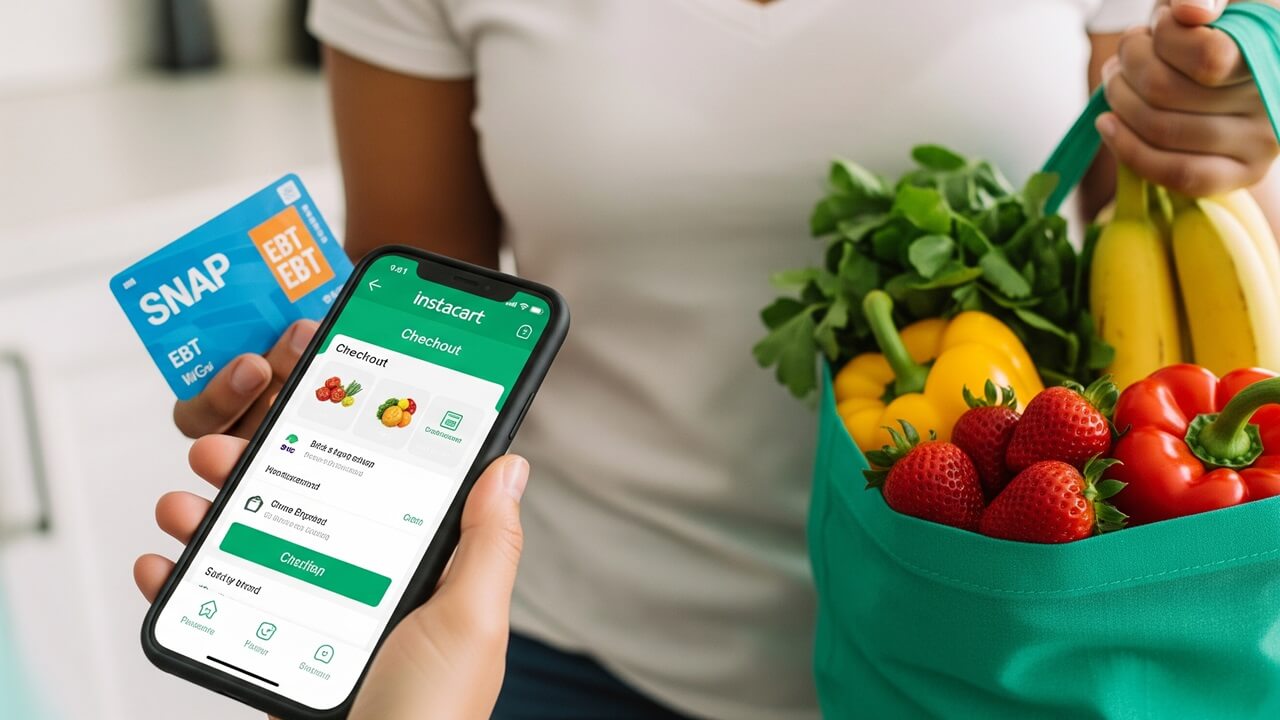
A lot of factors play into eligibility. First off, your income is a big deal. You need to be under a certain monthly gross income (before taxes). Then, they’ll also look at your “countable resources” like the money in your bank account. Finally, you need to meet residency requirements. That means you actually have to live in Nevada, not just visit.
The rules are there to ensure the help goes to the people who need it most. You might think it is confusing, but don’t worry. There are resources to assist you. It’s crucial to understand these eligibility requirements because if you don’t meet them, your application could be denied.
To answer your question: Do I have to be a U.S. citizen to get food stamps in Las Vegas? You need to be a U.S. citizen or a qualified non-citizen to be eligible.
How to Apply for Food Stamps in Las Vegas: The Application Process
Applying for food stamps in Las Vegas starts with filling out an application. You can do this online, by mail, or in person. The online application is usually the easiest way, available through the Nevada DHHS website. You’ll need to create an account and provide information about yourself and your household.
The application will ask for detailed information, including your:
- Name and contact information
- Social Security number
- Income information (pay stubs, etc.)
- Information about your household members
- Information about any resources you have
If you prefer, you can download a paper application from the DHHS website or pick one up at a local office. You’ll fill it out and mail it in or drop it off. Finally, you can apply in person at a DHHS office. This might be helpful if you need assistance with the application.
Here is what you need to gather before beginning the application.
- Proof of identity (like a driver’s license or state ID)
- Social Security cards for all household members
- Proof of income (pay stubs, tax forms, etc.)
- Proof of residency (like a lease or utility bill)
Required Documentation
When you apply for food stamps, you’ll need to provide documentation to prove the information you provided on your application is true. The types of documentation needed can vary. It’s always a good idea to gather all the necessary documents ahead of time to speed up the process. Keep these things handy.
Proof of identity is a must. This helps verify that you are who you say you are. You can use a driver’s license, state-issued ID card, or a passport. Make sure the ID is current and valid. Next, you will need proof of your income. This includes pay stubs for each household member who is employed. If you are self-employed, you’ll need to provide tax returns, and other records of income.
Then, there’s proof of residency. This demonstrates that you actually live in Nevada. Acceptable forms of proof include a lease agreement, a mortgage statement, or a utility bill (like an electricity or water bill) that has your name and address on it. If you receive any other income like unemployment, social security, or child support, you will need to provide verification of those as well. These documents help to accurately assess eligibility and benefit levels.
Here’s an easy list:
| Document Type | Examples |
|---|---|
| Identity | Driver’s license, Passport |
| Income | Pay stubs, Tax returns |
| Residency | Lease, Utility Bill |
The Interview Process
After you submit your application and provide the required documentation, you’ll likely be contacted for an interview. This interview can be conducted in person, over the phone, or even sometimes via video call. The purpose of the interview is for a caseworker to verify the information you provided on your application and to ask clarifying questions.
The caseworker might ask questions about your household members, income, expenses, and resources. It’s important to answer honestly and completely. Be prepared to provide any additional documentation that the caseworker requests during the interview. This helps them make an accurate assessment.
Take your time and don’t be afraid to ask questions if you’re unsure about anything. The goal is to ensure you get the benefits you’re eligible for. If you don’t understand something, please ask. The caseworker is there to help you.
Things you need to remember for your interview:
- Be punctual and present.
- Answer honestly and clearly.
- Ask questions if you don’t understand something.
- Bring any additional documents that are asked for.
- Listen to the worker.
Benefit Amounts and How They Are Determined
The amount of food stamps you receive each month depends on several factors. This includes your household’s income, the number of people in your household, and your allowable deductions. Allowable deductions can include things like childcare expenses, medical expenses for elderly or disabled members, and some other work-related expenses.
The DHHS will calculate your benefit amount based on your income and allowable deductions. They use a complex formula that ensures you only get the amount you need. The maximum benefit amounts are set by the federal government and can change periodically. This helps to provide the most assistance possible.
Here are some things that will impact your benefits:
- Household Size: More people = More benefits (usually).
- Income: Lower income = More benefits (usually).
- Expenses: Deductible expenses (like childcare) can increase benefits.
- Resources: Assets like savings can impact eligibility and benefits.
Food stamps are loaded onto an Electronic Benefit Transfer (EBT) card, which you can use at authorized grocery stores to buy food. You can’t use your EBT card to buy things like alcohol, tobacco, or non-food items.
Where to Get Help in Las Vegas
If you need help with the application process or have questions about food stamps, there are several places you can turn to for assistance in Las Vegas. The Nevada DHHS has local offices throughout the city, and you can find the locations on their website. They provide application assistance, answer questions, and help you navigate the process.
There are also many community organizations in Las Vegas that can offer support. These organizations can provide assistance with the application process, help you gather the necessary documentation, and connect you with other resources. You can also visit local food banks. They may be able to provide you with food while your application is being processed.
Here are some places to seek assistance in Las Vegas:
- Nevada Department of Health and Human Services (DHHS) offices
- Local community organizations
- Food banks
- Legal Aid Centers
You can also search online for “food stamp help Las Vegas” to find local resources. Do not hesitate to reach out for help; there are many people and organizations ready and willing to assist you.
Maintaining Your Food Stamp Benefits
Once you’re approved for food stamps, you’ll want to keep your benefits. That means you have to follow a few rules. First, you have to report any changes in your household, like changes in income, address, or the number of people living with you. It’s important to report these changes as soon as possible to avoid problems.
Second, you’ll likely need to go through periodic reviews to make sure you’re still eligible. This involves providing updated documentation, like pay stubs or proof of residency. They want to make sure you’re still getting the right amount of help. Also, you have to use your EBT card for its intended purpose.
Here are some of the things you need to keep in mind:
- Report Changes: Report any changes in income, address, or household members.
- Complete Reviews: Respond to requests for information during periodic reviews.
- Use Responsibly: Use your EBT card only to purchase eligible food items.
- Keep Records: Keep track of your EBT card transactions and balance.
Following these rules helps you keep your food stamp benefits so you can continue providing food for your family.
If you need it, food stamps can be a helpful resource. By understanding the eligibility requirements, application process, and how to use your benefits, you can get the help you need to put food on the table. Don’t be afraid to ask for help from the many resources available in Las Vegas. Remember that it is okay to ask for help when you need it. Good luck, and know that help is out there for you.