Figuring out how to pay for food can be tricky, especially if money is tight. The government has a program called SNAP (Supplemental Nutrition Assistance Program), often called food stamps, to help people buy groceries. A common question is, “How much money can you have in the bank and still get food stamps?” The answer isn’t always straightforward, as it depends on a few different things, like where you live and your specific situation. This essay will break down the basics of SNAP eligibility related to bank accounts and other financial resources, making it easier to understand.
The General Rule: What’s the Limit?
So, what’s the deal with bank accounts and SNAP? The main thing to know is that there are asset limits, meaning there’s a maximum amount of resources (like money in your bank account, stocks, and other investments) you can have and still be eligible for food stamps. **Generally, the asset limit for most SNAP applicants is around $2,750 if someone in your household is age 60 or older or has a disability. For households without someone age 60 or older or with a disability, the asset limit is often around $2,250.** These numbers can vary a bit depending on the state you live in, so it’s really important to check the specific rules for your state. Keep in mind, these rules can change, so you always want to make sure you have the most up-to-date information.
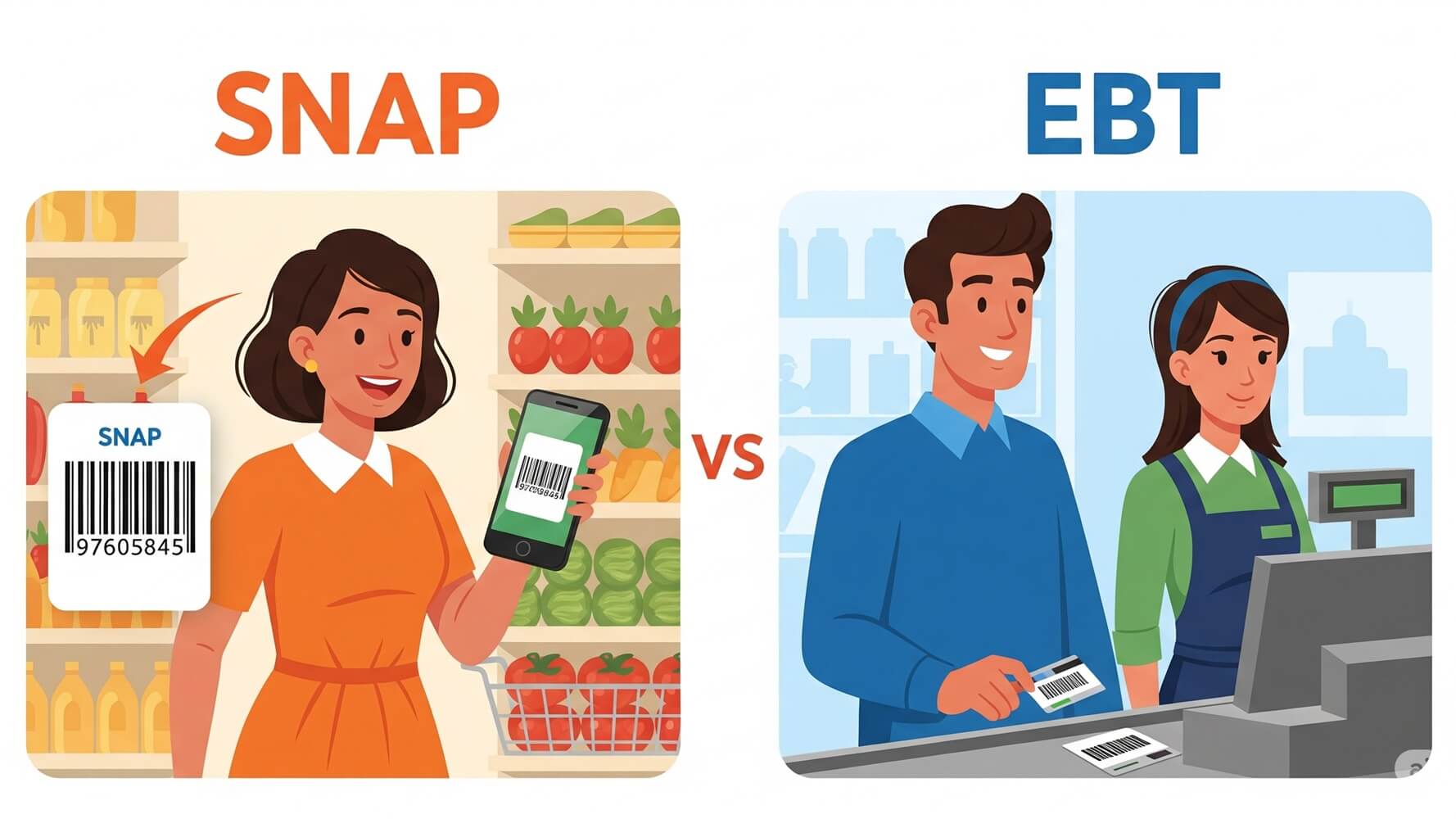
What Counts as an Asset?
Assets are essentially things you own that have value. The SNAP program considers different types of assets. Understanding what’s counted and what isn’t is key to knowing if you qualify.
Here are some examples of things that typically count as assets:
- Money in checking and savings accounts
- Stocks and bonds
- Certificates of deposit (CDs)
- Cash on hand (like if you have a lot of money in a safe at home)
It’s also worth knowing that SNAP might consider other forms of assets, so it’s wise to understand what the state counts. For example, it’s not unusual to have to report the sale of a vehicle or property.
It’s important to be upfront and honest with the SNAP office, because they do verify your assets. This information is usually verified through financial institutions, such as banks, and other sources.
What Doesn’t Usually Count as an Asset?
Not everything you own is counted as an asset for SNAP. There are some exceptions that can help people qualify, even if they have some resources. For instance, some things are typically excluded.
Here are some examples of things that typically *don’t* count as assets:
- Your primary home
- One vehicle (sometimes with certain restrictions, like its value)
- Personal belongings and household items (furniture, clothes, etc.)
- Resources that are considered inaccessible.
Also, some retirement accounts like 401(k)s might not be counted. The rules can be complex, so get clarity from your local SNAP office.
Knowing these exclusions helps you understand your eligibility and reduces confusion when applying for SNAP.
How Does the Application Process Work?
Applying for SNAP involves providing detailed information, including your financial assets. The application process requires honest and accurate reporting. This is important to successfully receive benefits.
Here’s a general overview of what the application process looks like:
- You’ll need to fill out an application, either online, in person, or by mail.
- You’ll be asked to provide information about your income, expenses, and assets.
- You may need to provide documents to verify your information.
- The SNAP office will review your application and determine your eligibility.
- If approved, you’ll receive an EBT (Electronic Benefit Transfer) card to use for food purchases.
The application process can be long, so be patient, and don’t give up! Every state has a different process.
Always be honest with the SNAP office. They will verify the information provided.
State-Specific Rules and Variations
The SNAP rules aren’t exactly the same everywhere. Each state has its own Department of Health and Human Services (or a similar agency) that administers the program. This means the asset limits and other rules can vary. This is why it’s crucial to check the specific guidelines for your state.
Here’s a quick look at some things that might change based on your state:
| Rule Category | Possible Variation |
|---|---|
| Asset Limits | The maximum amount of resources you can have. |
| Income Limits | The amount of money you can earn each month. |
| Exempt Assets | What items are not counted towards your assets. |
| Application Process | How you actually apply for benefits. |
Check your state’s website or contact your local SNAP office. They can give you the most accurate and up-to-date information. Also, SNAP rules can change, so check regularly!
It’s your responsibility to know the state’s specific rules.
Impact of Other Government Benefits
Receiving other government benefits can affect your SNAP eligibility. For example, if you’re getting Social Security, unemployment benefits, or Temporary Assistance for Needy Families (TANF), these will usually be counted as income when SNAP determines your eligibility. This is an important piece of information to have.
Here’s how it often works:
- SNAP considers your total income.
- If your income is too high, you may not qualify for SNAP.
- The amount of SNAP benefits you receive might be affected.
Some benefits, like certain types of disaster assistance, might not count as income. But, in general, be prepared to provide all this information. Keep in mind that the program looks at your entire situation.
Be prepared to report any assistance you’re already receiving.
Conclusion
In short, when it comes to “How Much Money Can You Have In The Bank And Still Get Food Stamps,” it’s not as simple as one number. The amount of money in your bank account is just one piece of the puzzle. The asset limit, income limits, and rules vary from state to state. Checking the specific rules in your state is critical. Also, it is important to know what assets are counted and what assets are excluded. Understanding the rules can help you know whether you might qualify for SNAP. If you’re unsure, it’s always a good idea to contact your local SNAP office. They can provide personalized information and help you figure out your eligibility. Good luck!