Food Stamps, officially known as the Supplemental Nutrition Assistance Program (SNAP), helps people with low incomes buy food. It’s a really important program, but it’s also something that needs to be managed carefully to make sure that people who need it get it, and that people who don’t aren’t getting it unfairly. That’s why there’s a system for checking your income when you apply. This essay will explain how SNAP does that, breaking down the process into easy-to-understand parts.
What Information Do They Need From You?
The first step in checking your income involves providing a lot of information. When you apply for SNAP, you’ll need to give details about your income, your assets, and who lives in your household. This includes information about your job, any other sources of income like unemployment benefits or Social Security, and bank accounts. This is so the government can get a good picture of your financial situation. It’s important to be honest and thorough when you provide this information.
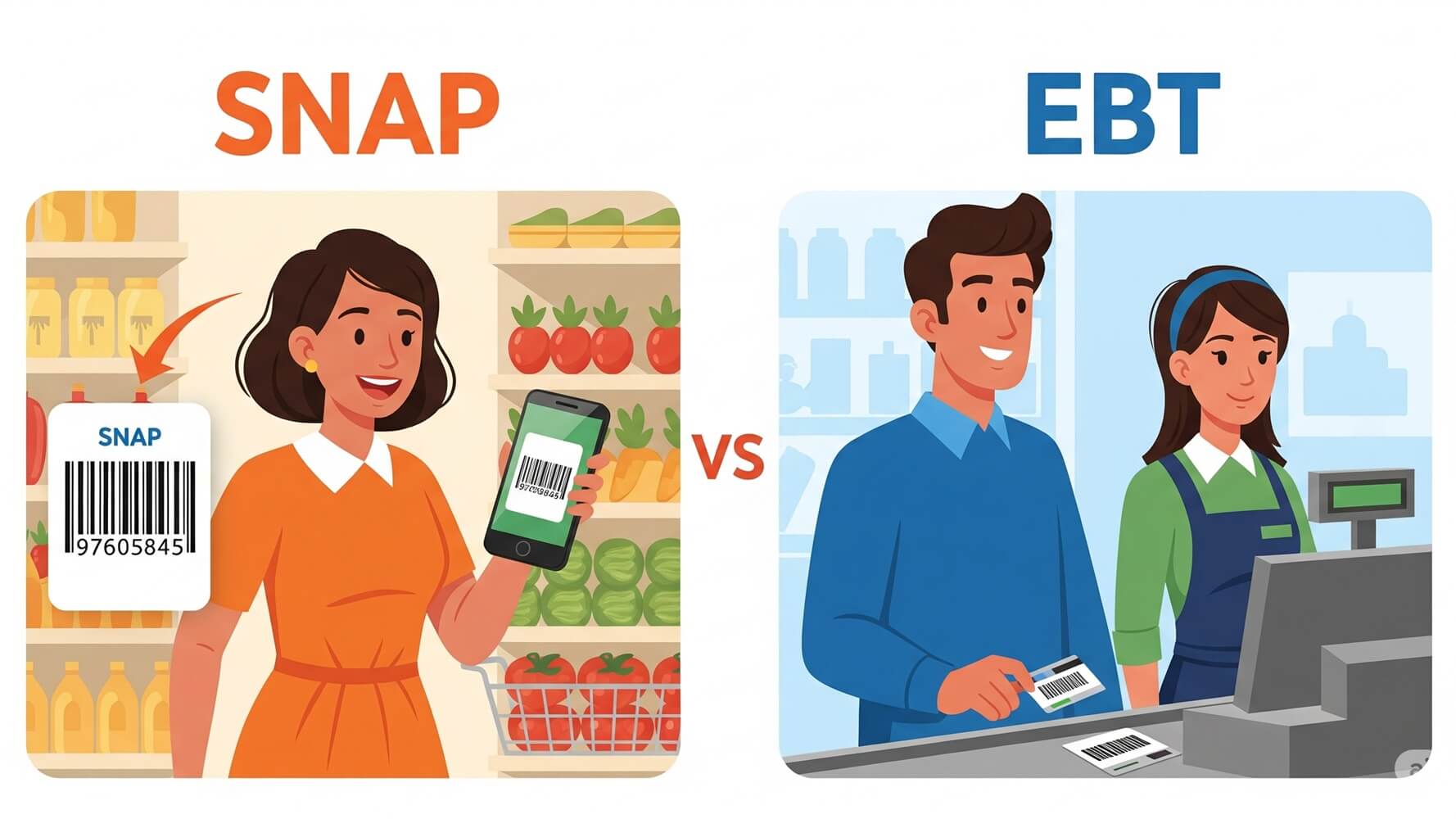
You’ll also need to prove the information you’re providing. This is usually done with documents. If you’re employed, you’ll need to provide pay stubs that show your gross income, deductions, and how often you get paid. These pay stubs are important because they show exactly how much money you are making. These are the most basic of documents that are needed to verify the information provided by the applicant.
For other sources of income, such as Social Security, you’ll need to provide award letters or statements that prove you get those benefits. Similarly, if you have money in the bank, you will need to show statements for it. Even if you don’t think the account has a lot of money in it, you will need to provide it. These documents help to verify all the income sources you have. This helps the state confirm that you qualify for benefits.
Finally, they need information about the people who live with you. This includes their names, birthdates, and their relationship to you. This information is important because the rules regarding who gets SNAP benefits are based upon household size. Remember, it is very important to be honest with all this information.
Verifying Employment and Wages
One of the most important parts of checking your income is verifying your employment and wages. This helps to ensure the applicant is being honest about their source of income. SNAP agencies often use a variety of methods to do this. They might contact your employer directly or through third party services, to confirm your employment status, your hourly rate, and the number of hours you work.
They may also check your pay stubs to make sure they match the information you provided. This is a very important step. Pay stubs show the amount of money you make and the taxes that are taken out. Pay stubs must match what the applicant states or further action may be taken.
- Your employer must confirm the hours you work.
- The paystubs need to be submitted.
- Your wages need to be verified.
- Contact with your employer is sometimes needed.
If there are any discrepancies, the SNAP agency may ask you for additional documentation, like W-2 forms or tax returns. This ensures that the information is accurate and up-to-date. The accuracy is needed to help keep the program running as it should, for all those who need it. The information helps determine how much assistance someone gets.
Checking Other Income Sources
Besides your job, SNAP agencies also check for other sources of income. This is because money can come from many places, and it all contributes to your ability to buy food. This might include things like unemployment benefits, Social Security, pensions, child support payments, and even money from investments.
They usually require documentation to prove you’re getting this income. They’ll want to see things like award letters for Social Security benefits or statements for pension payments. They need this because they have to calculate all of your income to make sure you qualify for SNAP. This is a key step in ensuring the program is working correctly and providing assistance where it’s needed.
Unemployment benefits can be a common source of income, especially when people are between jobs. You will need to provide documentation of these benefits. Child support payments are also considered income, so documentation from a child support agency will be needed. This ensures they are getting the full picture of your income.
Here’s a small table showing some common income sources and the type of documentation that might be requested:
| Income Source | Required Documentation |
|---|---|
| Unemployment Benefits | Benefit statements |
| Social Security | Award letter |
| Child Support | Child support payment records |
Asset Verification
SNAP doesn’t just look at your income; they also look at your assets, or what you own. This helps them to figure out your overall financial situation. Assets can include things like money in bank accounts, stocks, bonds, and sometimes even property like land or a house. Certain assets are exempt, like your home and a car.
SNAP agencies typically ask for bank statements to verify the amount of money you have in your accounts. This helps to get a snapshot of your financial resources. These statements show the balance of your accounts. They will also examine information like the dates the income was deposited, and the amounts.
They may also require information about any other assets you own, such as stocks or bonds. In these cases, you’ll need to provide documentation to prove how much they are worth. Your assets, combined with your income, are then used to decide whether you meet the program’s requirements. SNAP has asset limits, so if you have too many assets, you might not qualify for benefits.
Here’s an example of how an agency might use this information to decide if you qualify:
- They calculate your monthly income.
- They determine the value of your assets.
- They check your income and assets against the limits.
- If your income and assets are below the limits, you might qualify for SNAP.
Recertification and Ongoing Monitoring
Getting SNAP benefits isn’t a one-time thing. You need to recertify, which means you need to reapply, periodically. This is because your financial situation can change over time. If your income goes up, or your household size changes, you may no longer qualify, or your benefit amount might change. This is a way to keep things accurate.
When you recertify, you’ll need to provide updated information about your income, assets, and household. This is very similar to the first time you applied. During the recertification process, the SNAP agency will once again verify your information using the same methods they used when you first applied. This includes checking employment, income sources, and your assets. This is very important for the same reasons as before.
SNAP agencies also have ways to monitor your eligibility even after you’re approved. They might do this through periodic checks with employers or by using data matching systems. These systems compare the information you’ve provided with other government records. This helps to make sure you’re still eligible for benefits. This also helps keep the program working as planned.
The goal is to make sure that the people who are receiving the benefits, still qualify for them. If your financial situation changes and you no longer meet the requirements, you may no longer be eligible for the program. SNAP wants to help those who need it the most.
The Role of Technology and Data Matching
Technology plays a big role in how SNAP checks your income and eligibility. SNAP agencies use a variety of tools to make the process more efficient and accurate. These tools help them to verify information quickly and easily. This can include using online portals for applications and document submission.
Data matching is also used. This involves comparing information you provide with information from other government agencies or databases. For example, SNAP agencies might check your income information against data from the IRS. They also cross-reference employment information with state wage databases. The goal is to identify any inconsistencies or fraud.
- Online Applications
- Data Matching from various sources
- Electronic Records
- Automated Reviews
Automated review systems can help quickly identify red flags and potential issues. Data analytics tools help agencies detect patterns and trends, and uncover potential fraud. This technology helps SNAP agencies make sure that the program is fair and that resources are used wisely. The goal is to streamline the process and reduce the potential for errors.
This technology helps with processing a large number of applications. It is also important to keep the program running smoothly, with a fair system for everyone. Technology improves the accuracy of the information, as well.
What Happens if There’s a Problem?
What happens if the SNAP agency finds something wrong with your application? If they find something questionable during the verification process, they will let you know. They’ll likely contact you and ask you for more information or documentation. This could include requesting additional pay stubs, bank statements, or other documents.
Sometimes, mistakes happen. If you made an honest mistake, the agency will work with you to fix it. If they find that you provided incorrect information on purpose, it could lead to more serious consequences. This might involve reducing your benefits, stopping your benefits altogether, or even legal action.
There are procedures that agencies have to follow. You have rights, as well. If you disagree with a decision the agency makes, you have the right to appeal. This is usually done through a formal process where you can present your case. If the issue is not resolved, you can appeal the decision to a higher authority.
| Problem | Possible Result |
|---|---|
| Minor Error | Ask for more info |
| Significant Mistake | Reduce, or stop benefits |
| Intentional Deception | Legal Consequences |
Conclusion
In conclusion, SNAP uses a multi-layered approach to check your income and eligibility. From verifying your employment and assets, to ongoing monitoring, there are many checks in place. The process is designed to make sure that SNAP benefits are going to those who genuinely need them, and that the program is fair to everyone. While it might seem like a lot of steps, it’s important for the program to run properly and help people in need. By understanding how SNAP checks your income, you can be prepared to provide accurate information and help ensure the program’s integrity.