The Supplemental Nutrition Assistance Program, or SNAP, helps people with low incomes buy food. You might know it as Food Stamps. It used to be actual stamps, but now it’s mostly done through Electronic Benefit Transfer, or EBT, cards. Think of it like a debit card loaded with money for groceries. Because the cost of living and how much food costs changes depending on where you live, how SNAP and EBT work can also change from state to state. This essay will look at how Food Stamps EBT is different when you compare it by state.
Eligibility Requirements: Who Gets Food Stamps?
One big difference between states is who can actually get Food Stamps. It all depends on your income and your resources. The government sets the basic rules for SNAP, but each state has some flexibility. This means that some states might have different income cut-offs or different rules about assets, like how much money you can have in the bank.
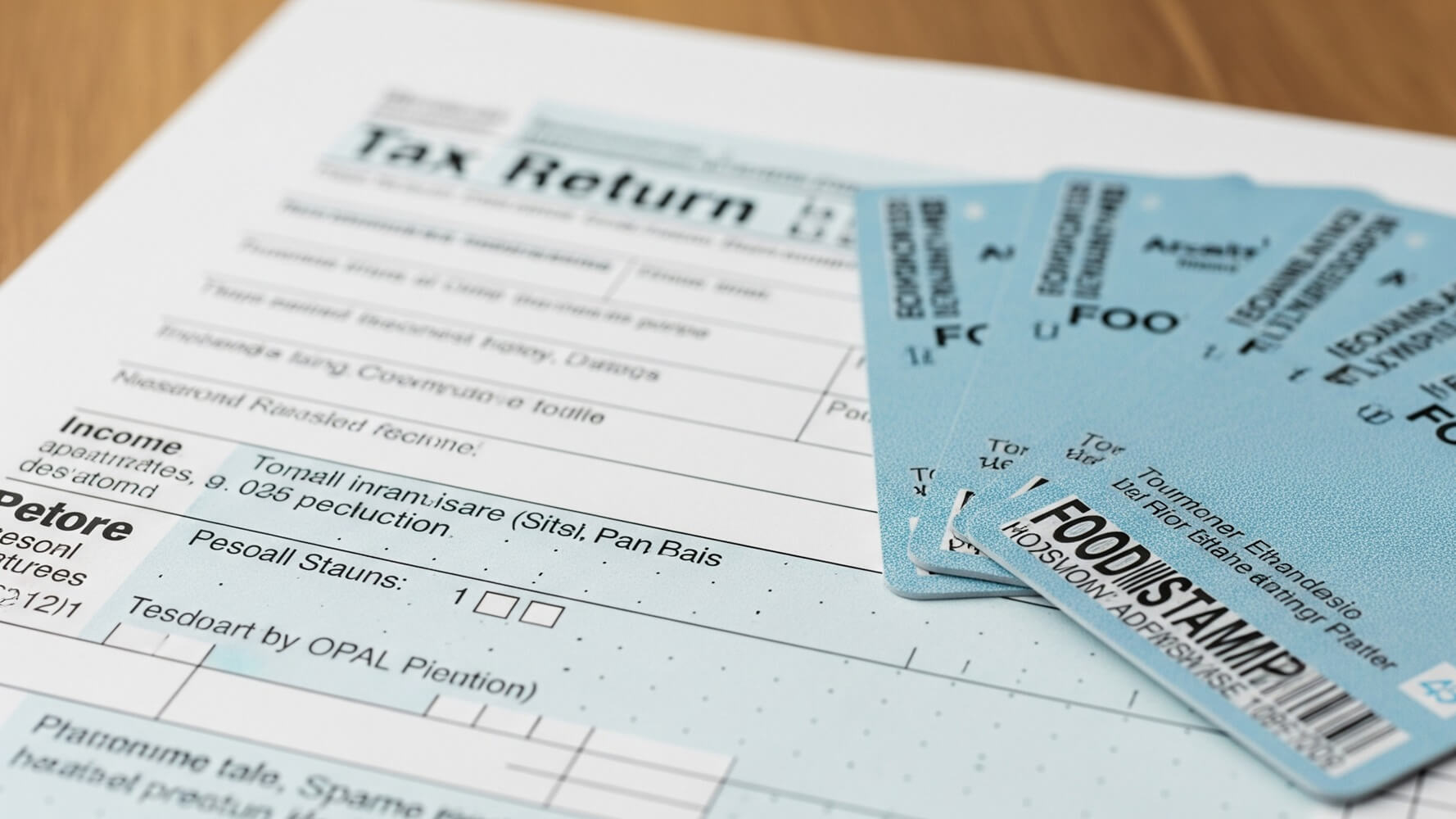
For example, some states might consider things like your car’s value or if you own a home, whereas others might not. Other states might make it easier for college students to qualify. It’s like each state gets to customize the rules a bit, within the federal guidelines. Here’s what’s generally looked at:
- Gross Monthly Income: This is all the money you make before taxes.
- Net Monthly Income: This is your income after taxes and certain deductions.
- Assets: These are things you own like money in the bank, stocks, or bonds.
You have to apply in the state where you live, and the application process and the documents you need can also change. Some states might require more paperwork than others. The best way to find out exactly what you need to do in your state is to visit your state’s official SNAP website or contact your local social services office.
Benefit Amounts: How Much Money Do You Get?
The amount of money you get each month on your EBT card varies. The federal government sets the maximum benefit amounts, based on household size. This means the more people in your household, the more money you can get. However, the exact amount can still change depending on a few things, including your income, expenses, and the state you live in.
States are allowed to adjust benefits based on things like how much it costs to live in the state. A state with a higher cost of living might offer higher benefits than a state where everything is cheaper. For example, here are some rough examples based on household size (these amounts are just examples and can change):
- One-person household: $291 (this amount is an example, and changes)
- Two-person household: $535 (this amount is an example, and changes)
- Three-person household: $766 (this amount is an example, and changes)
- Four-person household: $973 (this amount is an example, and changes)
Keep in mind that the actual numbers can vary depending on the time of year and federal legislation.
Types of Food You Can Buy: What Can You Get With EBT?
EBT cards can be used to buy most food items. The goal of the program is to provide food, so the rules are pretty straightforward. You can usually buy things like fruits, vegetables, meat, poultry, fish, dairy products, and bread. These are all things you need for a balanced diet. But what about other things?
The EBT rules clearly state what you can’t buy. Generally, you can’t buy alcohol, tobacco, pet food, or non-food items like paper towels or cleaning supplies. You also can’t use your EBT card to buy prepared foods that you eat right away, like hot food from the deli counter (unless you are in a special program). It’s designed for you to buy groceries to prepare at home.
Even within those rules, there can be some differences. For example, some states may allow you to purchase seeds and plants that produce food, while others might not. This would let you grow your own food, which is a cool bonus! Here are some examples of allowed and not allowed purchases:
| Allowed | Not Allowed |
|---|---|
| Fruits & Vegetables | Alcohol |
| Meat, Poultry, and Fish | Tobacco |
| Dairy Products | Pet Food |
| Seeds and plants (in some states) | Hot foods (in most cases) |
EBT Card Access and Use: How Easy Is It To Use?
Using your EBT card is similar to using a debit card. You swipe it at the register at participating grocery stores and enter your PIN. However, the ease of access can vary a bit from state to state. For instance, some states might have more participating stores, making it easier to find a place to use your benefits. The number of places that take the card will vary!
Another difference is how the card is replaced if it’s lost or stolen. Some states might offer quicker replacement times than others. Also, the rules around how you can use the card might be slightly different. For example, some states are experimenting with online grocery shopping with EBT, which might not be available in every state. This is really helpful for people who can’t easily get to a store.
States also vary in how much information they provide about your EBT account. For example, one state might let you easily check your balance online or through a mobile app, and another state might not. Some states may send text messages reminding you when your benefits are available or if there’s a problem with your card. Knowing your balance is important to help you budget your funds.
Fraud Prevention: How Do States Prevent Cheating?
States take fraud very seriously, which is why they have programs to prevent people from cheating the system. Some states may be more proactive than others in investigating potential fraud. This could mean extra checks to make sure people are eligible or more closely monitoring how the EBT cards are being used.
States use various methods to prevent fraud, such as cross-matching data with other government programs to make sure people aren’t getting benefits they’re not supposed to. They also investigate complaints and may have special fraud hotlines or investigation units. There are also penalties for committing fraud, like losing your benefits or facing legal charges.
- Data Matching: Comparing information with other state and federal programs.
- Investigations: Looking into suspicious activity or complaints.
- Store Inspections: Checking that retailers are following the rules.
The methods used, and how strict they are, can vary from state to state. The goal is to protect the program and make sure the benefits go to those who really need them.
Support Services: Extra Help Available
Beyond providing money for food, some states offer extra support services to help SNAP recipients. This could include things like job training programs, help with finding employment, or nutrition education classes. These services can vary greatly depending on where you live.
Some states have strong partnerships with local community organizations and charities, which can offer additional support services. These might include food banks, where you can get extra food, or programs to help you learn how to cook healthy meals on a budget. Some states also partner with programs that help with job placement or job training.
It’s important to check with your local social services office or your state’s SNAP website to see what additional support services are available in your area. These resources can be a valuable way to learn new skills, find employment, and make the most of your benefits.
The Question: How Do States Compare Overall?
When comparing Food Stamps EBT by state, you can see that there are many variations, especially when it comes to eligibility requirements, benefit amounts, and the availability of support services.
Some states might have more generous benefits but stricter eligibility requirements. Others might have easier access, but less overall support. The best way to figure out how it works where you live is to visit the official SNAP website for your state or contact your local social services office.
It’s really complicated, but it’s important to remember that the goal of SNAP is the same everywhere: to help people who need it afford food. So while the details might be different, the intention is always the same!
For more information, you can always visit the USDA website.