Becoming a parent is a big deal, and it brings a lot of changes! One question that often pops up, especially for expecting parents on a budget, is whether they can get more help with food costs. Specifically, does being pregnant increase the amount of food assistance, like food stamps (also known as SNAP – Supplemental Nutrition Assistance Program), a person receives? Let’s dive into this and clear up some of the confusion.
Eligibility and SNAP Benefits
The short answer is yes, in most cases, being pregnant can lead to increased SNAP benefits. The main reason is because SNAP benefits are based on your household size and income. When you become pregnant, you’re essentially increasing the size of your “household” (even though the baby isn’t born yet!).
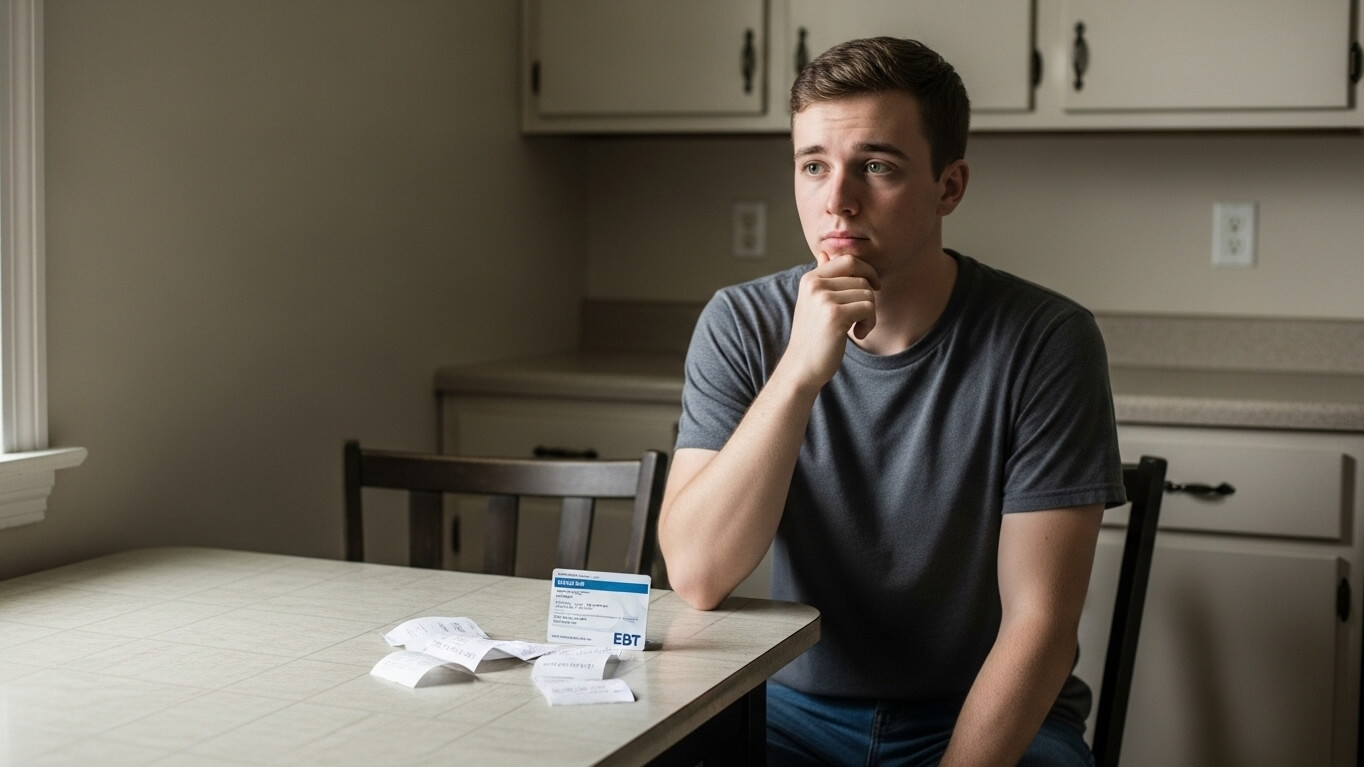
To understand how this works, let’s look at the basic rules. First, you need to qualify for SNAP in the first place. This means your income and resources (like savings accounts) must fall below certain limits set by the government. These limits change depending on the state and the size of your household. When determining the household size, the unborn baby counts towards the total number of people. This means the more members in the household, the more money you can make and still qualify.
The rules for determining income and resources are complex. Generally, SNAP programs look at both your gross income (before taxes and other deductions) and your net income (after certain deductions). The amount of SNAP benefits you receive depends on these factors. This process means that you should seek help from a local SNAP office to determine your eligibility and benefit amount.
The benefits you receive will change as the household size grows. Here’s a simple example, which may be different in your state:
- A single person with no dependents might get $281/month.
- A single person with an unborn child might get $516/month.
How Pregnancy Changes Your Household Size
How to Apply for SNAP While Pregnant
The process of applying for SNAP is usually the same whether you’re pregnant or not, but you’ll want to make sure you correctly state your household size, and your pregnancy. You’ll likely need to complete an application form and provide documentation to prove your income, residency, and other details. The most important step is that you apply for SNAP benefits.
You can usually apply online, in person at your local SNAP office, or sometimes by mail. Contacting your local SNAP office is your best bet for getting the correct forms and details to apply. Here’s a general breakdown of the steps involved in the application process:
- **Gather necessary documentation:** This might include pay stubs, bank statements, proof of address, and identification for everyone in your household.
- **Complete the application:** The application will ask for information about your income, assets, and household members.
- **Submit your application:** You can submit your application online, by mail, or in person.
- **Attend an interview:** You may need to attend an interview with a SNAP caseworker to verify your information.
- **Receive a decision:** You’ll be notified whether you’re approved for SNAP benefits.
Be prepared to answer questions about your pregnancy. Make sure to inform the SNAP office that you are pregnant so that they can properly determine your eligibility and benefits based on the household size.
What About the Baby’s Needs?
Covering Nutritional Needs
When you’re pregnant, you need to eat a healthy diet to support both yourself and the developing baby. That’s why increased SNAP benefits can make a big difference. SNAP helps ensure you have access to nutritious foods, like fruits, vegetables, lean proteins, and whole grains.
Think about it like this: The money you get from SNAP is designed to help you buy groceries. With more money, you can buy more food. And with a growing household, your food needs increase! Having more money to spend on food means you can prioritize your own nutritional needs and also get the nutrients your baby needs to develop properly. Here are some ways SNAP can help:
- **Buying healthy foods:** You can use SNAP benefits to purchase fresh produce, lean meats, and other nutritious options.
- **Reducing financial stress:** Having enough food can reduce the stress and anxiety that comes with financial difficulties.
- **Improving overall health:** Good nutrition during pregnancy is essential for both the mother’s and the baby’s health.
Some special programs can help with your nutrition. For example, WIC (Women, Infants, and Children) is a separate program that provides food, healthcare referrals, and nutrition education for low-income pregnant women, new mothers, and young children. WIC can be used in conjunction with SNAP, expanding your access to the resources needed.
How SNAP Works in Different States
State-Specific Guidelines
While the basic rules of SNAP are set by the federal government, individual states have some flexibility in how they administer the program. This means that the specific rules, application processes, and benefit amounts can vary slightly from state to state. In other words, you might get a different amount of SNAP based on where you live.
You can find information about your state’s SNAP program on the state’s official website. These websites usually have details about eligibility requirements, how to apply, and what kind of benefits you can expect to receive. Be sure to check the rules in the state you live in! Also, it’s always a good idea to call your local SNAP office.
Here’s an example of some common differences you might see between states:
| Category | Example State 1 | Example State 2 |
|---|---|---|
| Application Process | Online and in-person options | Primarily in-person |
| Benefit Amounts | Based on a set income limit | Based on a set income limit, but with some added benefits based on special circumstances |
If you have moved, then you need to reapply for SNAP benefits in your new state to make sure you can still get help.
Additional Resources and Support
Finding More Information
Besides SNAP, there are other resources available to help pregnant women and new parents. Many organizations offer support services, food assistance, and other types of aid. It’s important to know what’s available and to seek help when you need it. A good place to start is by talking to your doctor or other healthcare providers. They can often provide information and referrals to local resources.
Here’s a list of resources that you may be able to benefit from:
- **WIC (Women, Infants, and Children):** Provides food, healthcare referrals, and nutrition education for low-income pregnant women, new mothers, and young children.
- **Local food banks and pantries:** Offer free food to those in need.
- **Community health centers:** Provide affordable healthcare services, including prenatal care.
- **Social service agencies:** Can help connect you with other programs and support services.
Another good option is to speak to a social worker. They can guide you through the available resources and help you apply for programs that you may need.
Important Considerations for Pregnant Individuals
Additional Factors to Consider
Beyond the basics, there are a few other things to keep in mind. For example, you need to report any changes in your income or household circumstances to the SNAP office. If your income increases or decreases, or if your household size changes (like if the baby is born), your SNAP benefits could change, too.
Also, remember that SNAP benefits are intended to help you afford groceries. You cannot use them to buy non-food items, like diapers or formula. Other programs, like WIC, or community resources might be available to assist with these other needs. Make sure you also understand the time limits for SNAP.
Here’s a quick look at some other things to remember:
- **Reporting Changes:** Be sure to tell the SNAP office if your income or circumstances change.
- **Eligible Items:** Only use SNAP benefits to purchase eligible food items.
- **Program Requirements:** Make sure you understand and follow all SNAP requirements to keep your benefits.
- **Seek help:** If you’re struggling, don’t be afraid to ask for help from support services.
What to Expect After the Baby Arrives
After the Baby is Born
Once the baby is born, you need to inform the SNAP office to reflect the change in household size. This will ensure your benefits are adjusted to include the new member of your family. You will want to inform them as soon as possible after the birth so that your benefits can be updated.
The SNAP benefits will likely increase again to reflect the larger household. This will provide you with more financial help to buy food for the baby and yourself. The process will be the same as when you informed them of the pregnancy. Be sure to supply any documents needed.
Here’s what you might have to provide:
- The baby’s birth certificate
- The baby’s social security card
- Any other document needed
Also, you may be eligible for WIC or other programs, depending on your income and other factors. This could provide access to infant formula, baby food, and other resources.
Conclusion
In short, yes, being pregnant often means you’ll likely get more food stamps. SNAP benefits are designed to help families, and that includes providing extra support when a new baby is on the way. By understanding the rules, the application process, and the available resources, you can take steps to ensure you have enough food to support yourself and your growing family. Always be sure to check with your local SNAP office for specific details and requirements in your area.