Figuring out how money works can be tricky! Especially when it comes to government programs that help people with everyday needs, like food. One program that helps many families is SNAP, or the Supplemental Nutrition Assistance Program, often called food stamps. A big question people have is, “Do food stamps count as income?” This essay will break down the answer and explain why it’s important to understand how SNAP works in relation to money and financial situations.
The Simple Answer: Food Stamps and Income
So, let’s get right to it. No, food stamps (SNAP benefits) do not count as income. This means that when you’re applying for other types of assistance, like a loan or maybe another government program, SNAP benefits won’t be used to figure out if you qualify. The goal is to help people buy food, not to consider it as a form of earnings.
How SNAP Benefits are Different
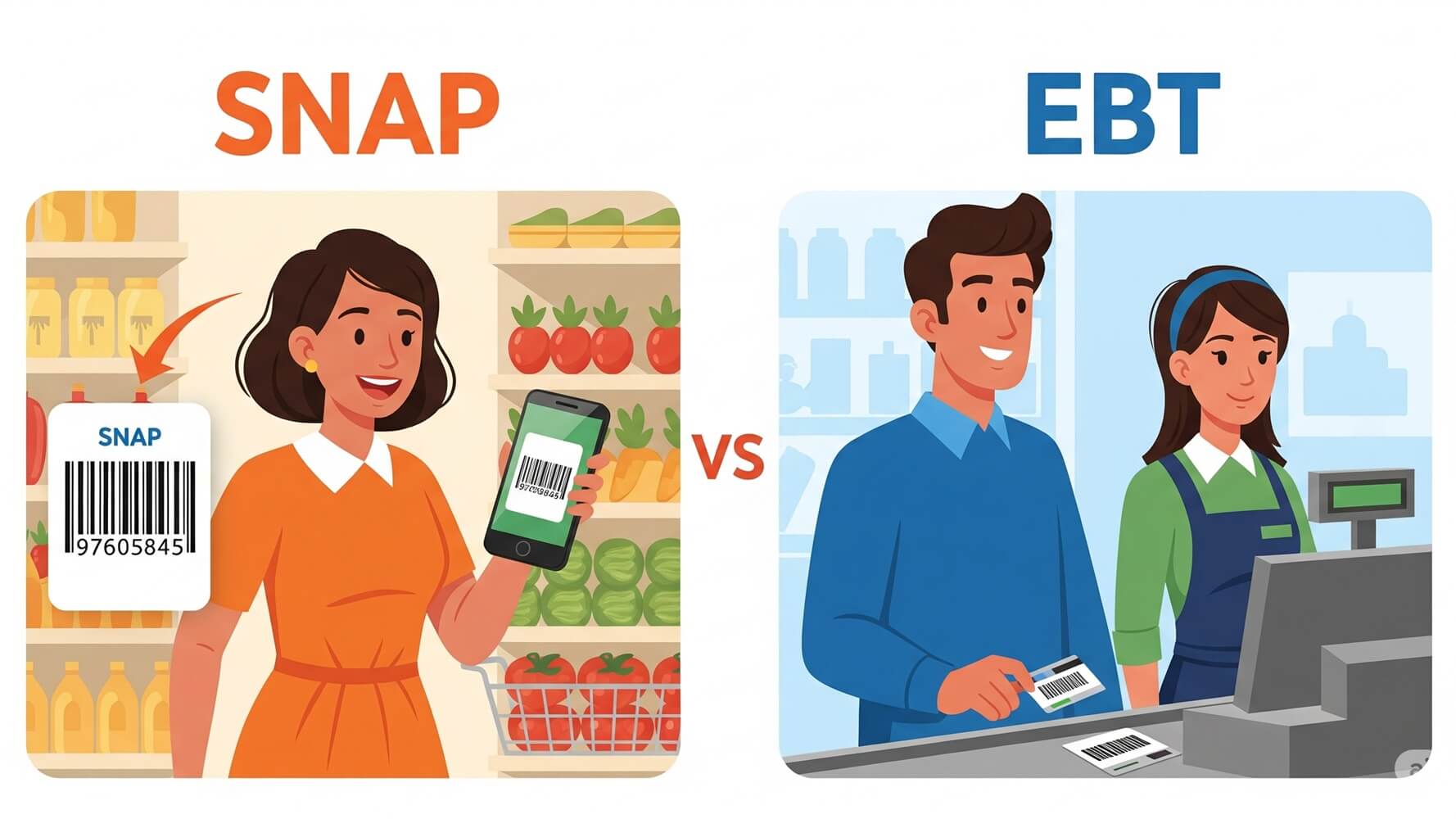
It’s important to know how SNAP benefits are different from things that do count as income. Things like a job, unemployment benefits, or money from Social Security are considered income. These are things you earn or are given because of your work or circumstances. SNAP is different because it’s specifically for food and doesn’t work the same way as money you might get in a paycheck. These are some key differences:
- Purpose: SNAP is for buying groceries. Income is for general expenses.
- Taxation: SNAP benefits are not taxed. Income is usually taxed.
- Use: SNAP can only be used at approved food retailers. Income can be spent on anything.
Impact on Other Government Programs
Because SNAP doesn’t count as income, it usually won’t affect your eligibility for other programs. For instance, if you’re applying for subsidized housing or a school lunch program, the SNAP benefits you receive won’t be used to determine if you qualify. However, while the benefits themselves aren’t income, there might be other financial considerations that impact your eligibility for different programs. Keep in mind that different programs have different rules and eligibility requirements.
- Housing Assistance: Eligibility based on income, excluding SNAP.
- Healthcare Programs: Income considered, but SNAP benefits usually excluded.
- Educational Aid: Financial aid eligibility might not directly consider SNAP.
What SNAP Benefits Can Be Used For
SNAP benefits are specifically for buying food. The goal is to help families and individuals afford nutritious meals. There are rules about what you can and can’t buy with SNAP. You can’t use SNAP benefits to buy alcohol, tobacco products, or pet food. Understanding these limitations is crucial for using the program properly and making sure you’re following the rules. SNAP cards are meant to buy essentials.
- Fruits and vegetables
- Meat, poultry, and fish
- Dairy products
- Breads and cereals
- Seeds and plants to grow food
Reporting Requirements for SNAP
While SNAP benefits themselves aren’t income, there are still reporting requirements that recipients must follow. This usually means you must let the SNAP office know if your income or household situation changes. For example, if someone in your household gets a job, your income might increase, and it’s important to let the SNAP office know. Failing to report changes could lead to penalties, so it’s always best to be upfront and honest.
Here is a simplified table of what to report:
| Change | Report When |
|---|---|
| Income Change | As soon as possible |
| Address Change | Immediately |
| Household Member Change | Immediately |
Food Stamps and Financial Planning
Even though SNAP isn’t considered income, it’s still a vital resource. Understanding how SNAP works is essential for making smart financial decisions. It’s important to remember that having SNAP benefits changes your total available money. It frees up money that would have been spent on groceries, allowing you to use that money for other important expenses. This can help with budgeting and managing overall household finances.
- Budgeting: Helps allocate funds for other needs.
- Saving: Increased potential for saving, if applicable.
- Debt Management: Improved ability to manage debts.
Keeping Up with the Rules
The rules for SNAP can sometimes change, so it’s a good idea to stay informed. The rules are created by the government. Check the official website of the SNAP program in your state or contact your local SNAP office. This will ensure that you understand what is expected of you and how the program works. Staying up-to-date will prevent any confusion and ensure that you continue to get the support you need.
- Check state SNAP websites regularly
- Contact the SNAP office with questions
- Understand how changes in the law may affect benefits
Conclusion
So, to sum things up, food stamps (SNAP benefits) are not considered income. They are specifically designed to help people and families buy food. While SNAP benefits do not affect your eligibility for other programs, it’s still important to understand how the program works and how to report any changes in your situation. By knowing the rules and keeping up-to-date on any changes, you can use SNAP effectively and make sound financial choices for yourself and your family.