The Supplemental Nutrition Assistance Program, or SNAP, helps people with low incomes buy food. You might know it by its old name, food stamps. But with an EBT card, things can get a little confusing about what you can and can’t buy. Let’s break down the rules to see if you can use your EBT card to buy things other than food.
The Basics of EBT Purchases
When someone asks, “Can you buy non-food items with EBT?” The simple answer is… it depends. Generally, your EBT card is designed to purchase food items. This includes things like fruits, vegetables, meats, dairy products, and other groceries. The goal is to help people get enough to eat, which is super important! There are, however, some exceptions to the food-only rule. It’s all about understanding what’s allowed and what’s not.
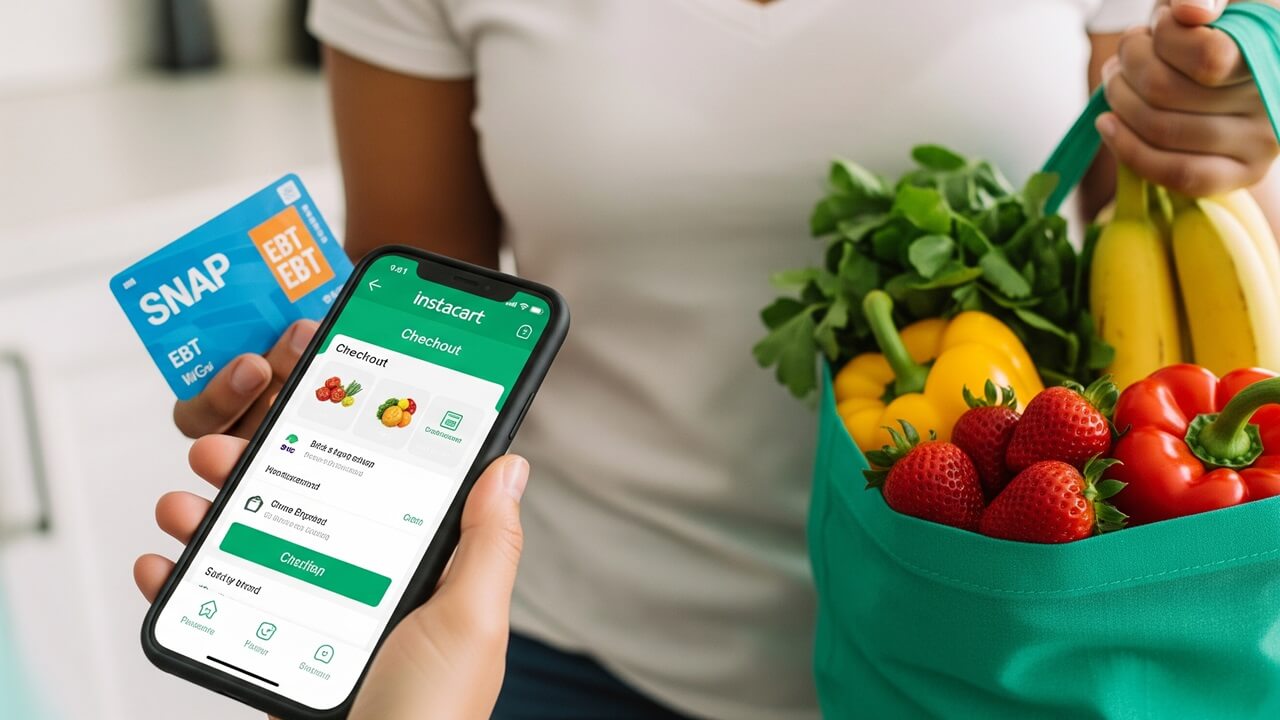
What You Definitely CAN’T Buy
Alright, let’s clear up the biggest “no-no’s.” Your EBT card can’t be used for things that aren’t food. This includes things like:
- Alcoholic beverages (beer, wine, liquor)
- Tobacco products (cigarettes, cigars, vaping)
- Household supplies (cleaning products, paper towels)
These items aren’t considered essential for nutrition, so the EBT program doesn’t cover them. Also, things like pet food and cosmetics are usually off-limits. The idea is to keep the funds focused on getting healthy food onto your plate.
It’s pretty straightforward: if it’s not something you can eat or drink (and isn’t a specifically allowed exception), you generally can’t buy it with your EBT card. So, no shopping sprees for electronics or clothes with your benefits!
Remember, it’s crucial to follow the rules to keep the program running smoothly and make sure everyone can get the help they need. If you try to use your card for something it shouldn’t be used for, you could face penalties.
Allowed Exceptions: What ABOUT Seeds and Plants?
Sometimes, the rules get a little bit flexible. A great example of this is the ability to purchase seeds and plants that grow food. If you’re trying to grow your own garden and put food on the table, EBT can help with that. This is especially useful if you want to grow your own fruits, vegetables, or herbs. Think of it as a way to increase your access to fresh food, which is a very good thing!
This exception aims to promote healthy eating and self-sufficiency. The USDA, which runs SNAP, understands the value of fresh, homegrown produce. It’s also a way to help people become less dependent on grocery stores and more in control of their food supply. So, yes, you can sometimes buy seeds or starter plants for food with your EBT card.
But, there’s a catch! You typically can’t buy things like decorative plants or flowers. Here is a simple way to tell the difference.
| EBT Allowed | EBT NOT Allowed |
|---|---|
| Tomato seeds | Tulip bulbs |
| Lettuce plants | Potted Fern |
| Herb starter plants | Decorative Flowers |
Always check with your local EBT guidelines to ensure you can purchase a specific item. The rules can vary slightly by state.
Can You Buy Prepared Foods?
This is another tricky area. Generally, your EBT card is for buying groceries to prepare at home. However, there are exceptions. You *can* use your EBT card to buy prepared foods from restaurants, but only if the restaurant has been approved by the USDA to accept EBT payments. Not all restaurants are set up for this.
The rules are made with people who can’t cook at home in mind. The goal is to make sure people still have access to food! If a restaurant is approved, you can usually buy hot meals or ready-to-eat items like sandwiches and salads. They usually have to follow the rules about EBT, like only charging the price of the food, not the drink.
Here are some things to keep in mind:
- Check if the restaurant accepts EBT before ordering.
- The EBT card usually won’t cover delivery fees or the cost of non-food items.
- The menu at each restaurant might be limited to approved items.
This rule can really help people in need who might have a tough time preparing food at home. It’s all about making sure everyone has a way to get fed, even in tricky situations.
What About Non-Food Items for Health?
While your EBT card primarily covers food, there are a few exceptions for health-related items. The goal is to make sure people can access basic health essentials, which is super important. These exceptions are limited, and understanding the rules is key.
In some cases, you might be able to buy certain medical items or supplements with your EBT card. These items usually need to be approved by the FDA (Food and Drug Administration). Here are some examples:
- Vitamins
- Supplements (like protein powder, but it has to be for a specific medical need)
- Medical devices (like blood sugar testing kits, but they usually require a doctor’s note)
You can’t just buy these things without a clear reason. You also can’t buy things like over-the-counter medicines (like ibuprofen) with your EBT card. The rules are stricter for non-food health items than they are for food items.
These rules are in place to keep the program focused on the most important needs, which is making sure people can afford things that are good for their health.
Can You Buy Pet Food with Your EBT Card?
Unfortunately, the answer to this is generally no. Your EBT card is designed to help you get food for *yourself*. Pet food, while essential for the well-being of your furry friends, isn’t covered. This is because the program focuses on human nutrition.
It’s important to remember that the rules are there to make sure as many people as possible can get the food they need. This is a big ask, and it helps to make sure that everyone is treated fairly.
It can be a hardship when you have to provide for your pet. There is help available if you’re struggling. Many animal shelters and local charities offer pet food assistance. Here’s a few ways you can get help with pet food:
- Contact your local animal shelter.
- Look for local food banks that provide pet food.
- Check with your local community organizations.
The goal is to support both you and your pets, so it’s good to know there are other sources of help!
Buying from Farmers’ Markets
Farmers’ markets are a great place to get fresh, local produce, and good news: you can often use your EBT card there! The rules usually allow you to use your EBT benefits to buy fruits, vegetables, and other eligible food items directly from farmers. Many farmers’ markets have special EBT machines or systems to process your card.
Farmers’ markets are usually a great option, as they offer fresh foods. This program also helps support local farmers, which is good for the community. It’s a win-win situation!
Here’s how it works:
- Look for farmers’ markets that accept EBT.
- Visit the market and find the EBT information booth.
- Swipe your card, and you’ll usually receive tokens or vouchers.
- Use those tokens to buy eligible food items from the vendors.
By using your EBT at a farmers’ market, you can increase your access to fresh food and support the community.
Conclusion
In short, while your EBT card’s primary purpose is to buy food, there are a few exceptions. You can often buy seeds and plants to grow food, and sometimes you can purchase prepared meals from approved restaurants. However, things like non-food items, alcohol, tobacco, and pet food are usually off-limits. It’s all about making sure your EBT card helps you get the food and some special things needed to support a healthy life. Always read the rules or ask for help if you’re not sure!