“`html
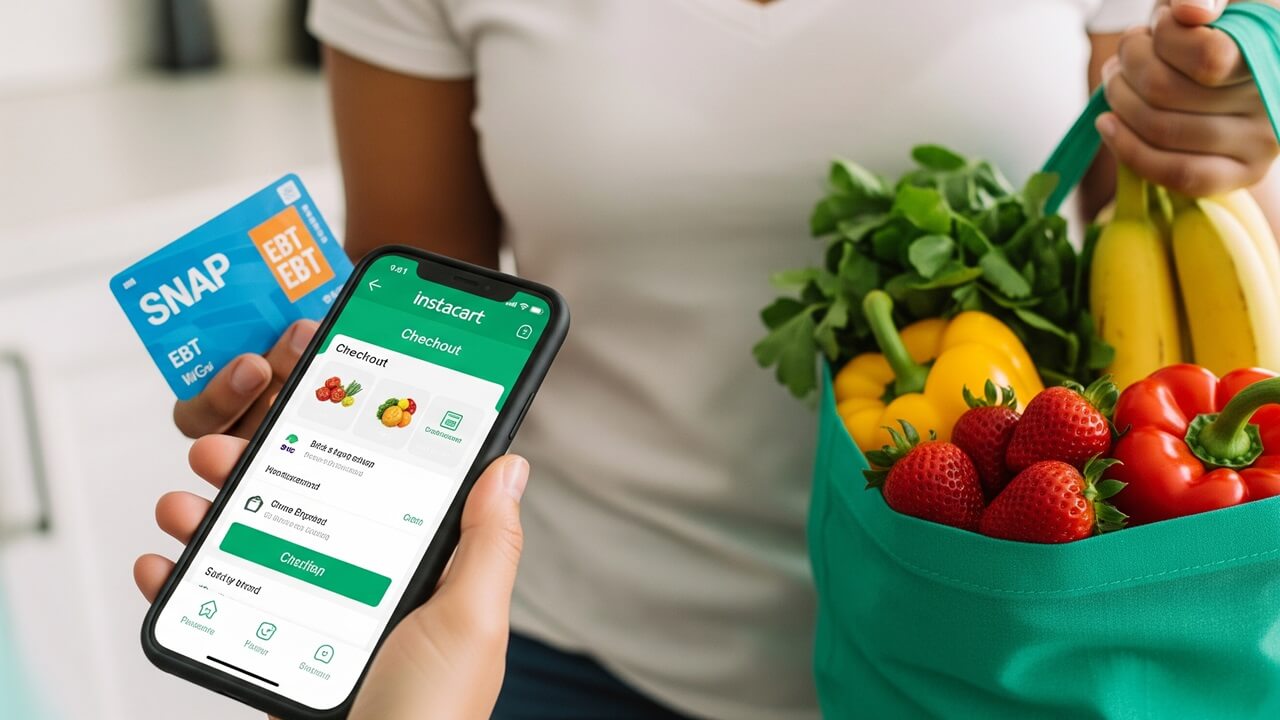
Getting food for yourself and your family can be tricky, and sometimes, you might need help from programs like EBT (Electronic Benefit Transfer), also known as food stamps. EBT cards help people buy groceries. But, what about your furry friends? If you’re an animal lover, you probably wonder, “Can I buy dog food with EBT food stamps?” This essay will explain the rules.
The Simple Answer
Let’s get straight to the point: No, you generally cannot buy dog food with EBT food stamps. The rules for what you can and can’t buy with EBT are pretty clear. The program is designed to help people purchase food for themselves and their families, meaning food that humans eat.
What EBT Covers
EBT covers a wide range of food items, but the focus is always on human consumption. This typically includes:
- Fruits and vegetables
- Meats, poultry, and fish
- Dairy products
- Breads and cereals
You can also buy seeds and plants that produce food for you to eat. Think of it as supporting your own grocery shopping.
Why Dog Food is Excluded
The reason dog food is excluded from EBT eligibility boils down to the program’s core purpose: to combat food insecurity for people. While your dog is part of your family, the food assistance is specifically targeted for people. Think of it as the government helping families feed themselves, not their pets.
The specifics can vary slightly by state, but the federal guidelines are clear about what’s allowed. Here’s an example of how your EBT card might work when you’re at the grocery store.
- You grab your groceries.
- At the checkout, you tell the cashier you’ll use your EBT card.
- The cashier will swipe your card and let you know how much your groceries cost.
- They will then divide the bill into what is covered under your EBT card and what is not.
Dog food will always be in the “not” column.
Alternatives for Pet Food Assistance
Even though EBT can’t be used for dog food, there are other ways to get help! Several organizations and programs are designed to assist pet owners who are struggling financially. There are many resources available, often at the local level. Many of these are volunteer-based. Here are a few examples:
- Local animal shelters: Often have pet food banks or can offer assistance.
- Food banks: Some food banks have special pet food programs.
- Non-profit organizations: Organizations like the Petfinder Foundation or RedRover may offer financial aid or pet food assistance.
- Veterinarian offices: They may be able to point you to available resources.
Doing some online research is key. Type “pet food assistance [your city or state]” into a search engine to find options near you.
Understanding the Restrictions: What Else is Not Allowed?
Besides dog food, there are other items you can’t purchase with your EBT card. It’s important to know these rules to avoid any issues. The focus, again, is on what’s meant for human consumption. Here’s a quick rundown:
| Item | Allowed? |
|---|---|
| Alcoholic beverages | No |
| Cigarettes and tobacco products | No |
| Vitamins and supplements | No |
| Non-food items (like pet supplies, paper products, or cleaning supplies) | No |
These rules help ensure the program is used for its intended purpose.
Shopping Smart and Saving Money on Pet Food
While you can’t use EBT for dog food, there are ways to be a smart shopper and save money on your pet’s food. These strategies can help you stretch your budget. Remember, saving a few dollars here and there can add up!
- Compare prices: Look at different stores and brands to find the best deals.
- Buy in bulk: If you have space, buying larger bags of food can often be cheaper per pound.
- Look for sales and coupons: Many pet food brands offer coupons or have sales regularly.
- Consider store brands: These are often just as good as name brands but cost less.
Every little bit helps when you’re trying to manage your budget effectively.
Seeking Help and Advocating for Change
If you’re struggling to afford pet food, don’t hesitate to seek help from the resources mentioned earlier. It’s also important to be an advocate for change. You could reach out to your local government officials to let them know the need for pet food assistance in your community.
Here’s how you can make your voice heard:
- Contact your local representatives: Let them know the challenges you face.
- Support organizations: Donate or volunteer with groups that provide pet food assistance.
- Spread awareness: Talk to others about the importance of supporting pet owners.
By speaking up, you can help make a difference for pets and their owners in your community.
In conclusion, while you can’t buy dog food with EBT food stamps, remember that there are other avenues available to help you feed your furry friend. Take advantage of resources like local animal shelters and food banks. By understanding the rules and exploring available options, you can ensure both you and your pet have the food you need.
“`